


What's Happening?
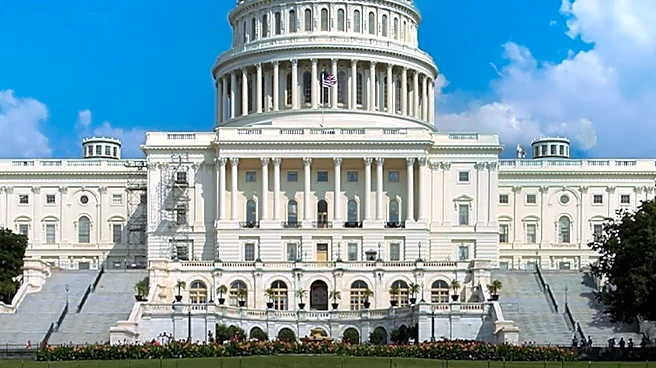
The U.S. House of Representatives has passed the Preventive Health Savings Act (H.R. 4464), a bipartisan bill co-led by Representative Jay Obernolte (R-Calif.) and Representative Diana DeGette (D-Colo.). The legislation, which passed with a vote of 401-0,
aims to modernize how Congress evaluates the long-term fiscal impact of preventive health care policies. Currently, the Congressional Budget Office (CBO) assesses the cost and savings potential of health care initiatives over a 10-year window. This new act will allow the CBO to analyze the potential budget effects of preventive health care policies over a 30-year period. Proponents argue that this extended timeframe will provide a more accurate and comprehensive understanding of the long-term savings and benefits associated with preventive measures, such as life-saving drugs and vaccines, which may have high initial costs but yield significant savings over decades. The bill previously cleared the House Budget Committee with a unanimous 29-0 vote and will now proceed to the Senate for consideration.
Why It's Important?
This legislation is significant because it addresses a long-standing issue in federal budget analysis regarding healthcare spending. By extending the CBO's evaluation window from 10 to 30 years, Congress will gain a more realistic perspective on the financial benefits of preventive health care. This change could lead to more informed legislative decisions and potentially encourage greater investment in preventive health initiatives. For the U.S. healthcare industry, this could mean increased funding and support for programs focused on long-term health outcomes rather than short-term cost-effectiveness. Patients stand to gain from a healthcare system that prioritizes prevention, potentially leading to improved public health and reduced overall healthcare expenditures in the long run. Economically, a healthier population can lead to increased productivity and reduced strain on federal and state budgets, as healthcare spending accounts for a substantial portion of the federal budget. This reform could shift the focus from reactive treatment to proactive prevention, benefiting both individual citizens and the nation's fiscal health.
What's Next?
Following its passage in the House, the Preventive Health Savings Act will now move to the Senate for further consideration. For the bill to become law, it must pass the Senate and then be signed by the President. Stakeholders, including healthcare advocacy groups, medical professionals, and budget watchdogs, will likely monitor its progress closely. If enacted, the CBO will begin implementing the new 30-year analysis framework for preventive health care policies, which could influence future legislative proposals and budget allocations related to health. The bipartisan support the bill received in the House suggests it may have a favorable path in the Senate, though the exact timeline for its consideration remains to be seen. The successful passage would signal a shift in how Congress approaches healthcare investment, emphasizing long-term fiscal responsibility and public health outcomes.
Beyond the Headlines
The passage of the Preventive Health Savings Act could have deeper implications beyond immediate budget reforms. Ethically, it underscores a growing recognition of the value of proactive health management and investment in long-term well-being. It challenges the traditional short-term budgetary thinking that often overlooks the delayed but substantial returns of preventive care. Legally, it sets a precedent for how federal agencies like the CBO are mandated to assess policy impacts, potentially opening doors for similar long-term analyses in other policy areas. Culturally, it could foster a greater appreciation for preventive medicine within public discourse and policy-making, shifting the focus from illness treatment to health promotion. This legislative change might also encourage innovation in preventive health technologies and services, as the financial benefits become more clearly quantifiable and recognized by policymakers. Ultimately, it represents a step towards a more holistic and forward-thinking approach to national health and fiscal policy.