



What's Happening?
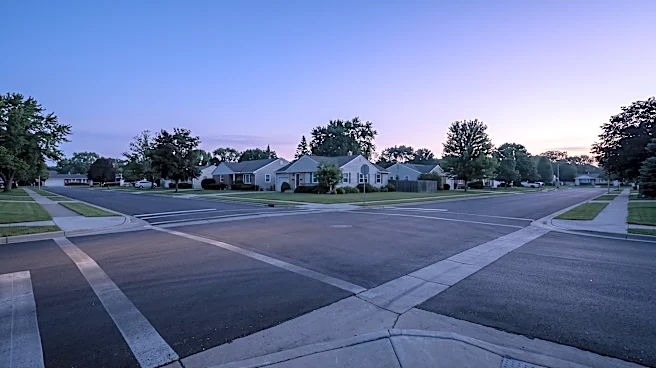
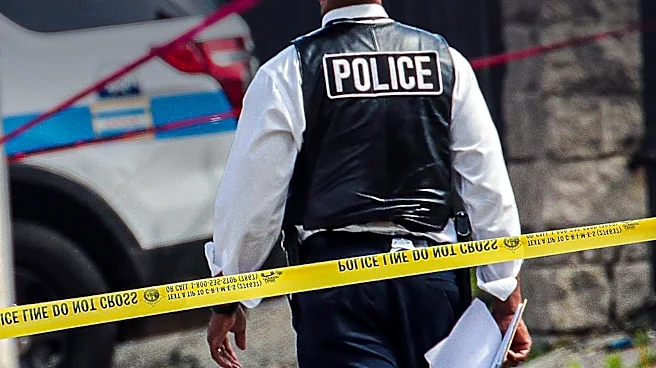
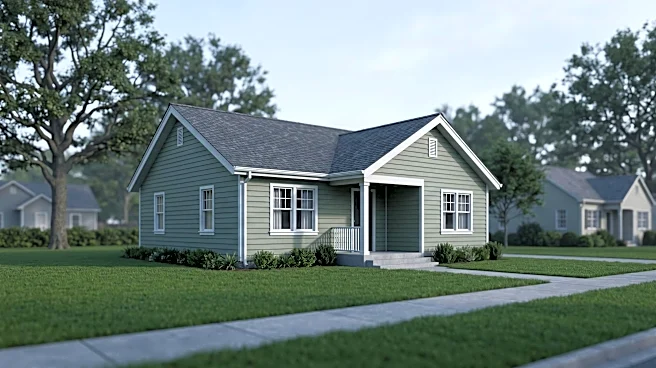
A 32-year-old suspect, wanted on an aggravated robbery warrant, was apprehended following a prolonged SWAT standoff at a residence in the Beacon Hill neighborhood of San Antonio. Police attempted to serve the warrant at a home in the 800 block of West
Magnolia Avenue. The suspect refused to exit the premises, leading to an approximately four-hour standoff. After multiple attempts to secure his surrender, SWAT officers deployed gas into the home and subsequently forced entry. The suspect was discovered attempting to escape through the attic, where he was taken into custody. He received treatment for a cut to his head, and no other injuries were reported during the incident. Neighbors described the area as typically quiet and noted that the suspect was known in the neighborhood for exhibiting mental health issues, including yelling and cursing at passing vehicles.
Why It's Important?
This incident highlights the complexities and potential dangers faced by law enforcement when serving warrants for serious offenses, particularly when suspects resist arrest. The deployment of SWAT teams and specialized tactics, such as gas, underscores the commitment to public safety and officer protection in high-risk situations. The neighbor's comments regarding the suspect's mental health issues also bring to light the broader societal challenges of addressing mental health crises within communities and their potential intersection with criminal activity. Such standoffs can disrupt local communities, causing temporary evacuations or lockdowns, and place a significant strain on emergency services. The peaceful resolution, despite the use of force, demonstrates effective police protocols in managing volatile situations while minimizing harm.
What's Next?
Following his arrest, the suspect will likely face formal charges related to the aggravated robbery warrant. Further legal proceedings will determine his culpability and any potential additional charges stemming from his resistance to arrest during the standoff. The San Antonio Police Department will likely conduct a review of the incident to assess the effectiveness of their protocols and procedures. The community in Beacon Hill may experience a period of heightened awareness regarding local safety and potentially engage in discussions about mental health resources available in the area. The suspect's mental health status may also become a factor in his legal defense or sentencing, potentially leading to court-ordered evaluations or treatment.
Beyond the Headlines
The incident in Beacon Hill extends beyond a simple arrest, touching upon critical societal issues. The repeated mention of the suspect's mental health by a neighbor suggests a potential gap in community support or intervention prior to the escalation of events. This raises questions about how communities identify and assist individuals struggling with mental health challenges, especially when those challenges may contribute to criminal behavior. The use of SWAT and gas, while necessary for safety in this instance, also prompts a broader discussion on de-escalation techniques and the role of mental health professionals in law enforcement responses. Furthermore, the disruption to a 'normally quiet' neighborhood underscores the ripple effect of such incidents on community perception of safety and well-being, potentially leading to increased calls for local support services and community policing initiatives.