
What's Happening?
The Washington state legislature is on the verge of passing Senate Bill 6026, which mandates cities with populations over 30,000 to permit residential development in areas currently zoned for commercial and mixed-use purposes. This legislative move, championed
by Governor Bob Ferguson, aims to address the state's housing shortage by facilitating the conversion of commercial spaces, such as abandoned strip malls, into residential areas without the need for rezoning. The bill has already passed the House with a 69-27 vote and the Senate with a 36-12 vote. It is designed to increase affordable housing options and promote mixed-use developments, particularly in urban cores. The bill has undergone significant amendments to address concerns from cities about its impact on local planning and comprehensive plans, allowing for exceptions in transit-oriented developments and business improvement districts.
Why It's Important?
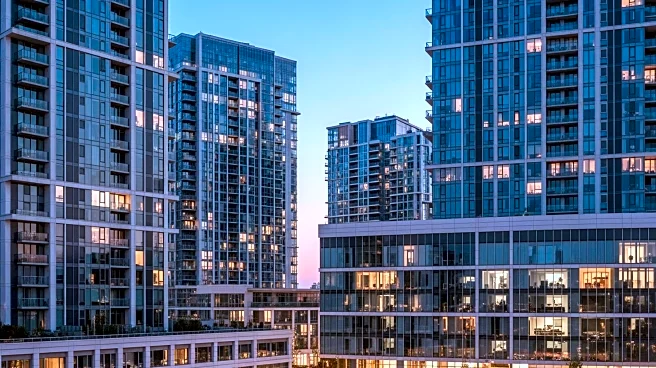
This legislative initiative is crucial as it addresses the pressing need for affordable housing in Washington, a state that requires an additional 1.1 million housing units over the next two decades. By allowing residential development in commercial zones, the bill could significantly increase housing supply, particularly in urban areas where land is scarce. This could lead to more walkable neighborhoods and potentially lower housing costs. However, the bill also raises concerns about preserving the historic character of older downtowns and the potential impact on architectural reviews. The real estate industry and preservation groups have expressed both support and caution, highlighting the delicate balance between development and maintaining community character.
What's Next?
Once the bill receives final legislative approval, it will be signed into law by Governor Ferguson. Cities will then begin implementing the new zoning regulations, which may involve seeking exceptions or opting out in certain areas. The real estate market is likely to respond with increased interest in developing residential projects in previously commercial-only zones. Ongoing discussions and potential future amendments may address remaining concerns about the bill's impact on historic preservation and urban planning. Stakeholders, including city planners, developers, and preservationists, will continue to monitor the bill's implementation and its effects on housing supply and community character.