



What's Happening?
Eight organizations that assist radio stations with applications have formally requested at least a one-week extension for the Federal Communications Commission (FCC) reserved-band FM translator filing window. The window, which opened on Wednesday, is currently
scheduled to close on November 17 at 6 p.m. The groups, in a joint letter to the FCC, cited unprecedented demand, noting an "over 25-year backlog of demand to be served within one short window." They warned that many organizations would be unable to file applications in time due to a lack of sufficient consulting capacity. The capacity crunch was initially brought to the FCC Audio Division's attention by Common Frequency on October 12, reporting 130 sign-ups for a webinar and approximately 100 stations seeking technical preparation guidance. Additionally, the groups highlighted delayed or unanswered email inquiries to the FCC and the absence of a public channel-search web tool, forcing consultants to develop their own tools to identify viable channels. They fear that hurried, unassisted applicants may file defective applications, consuming FCC staff resources.
Why It's Important?
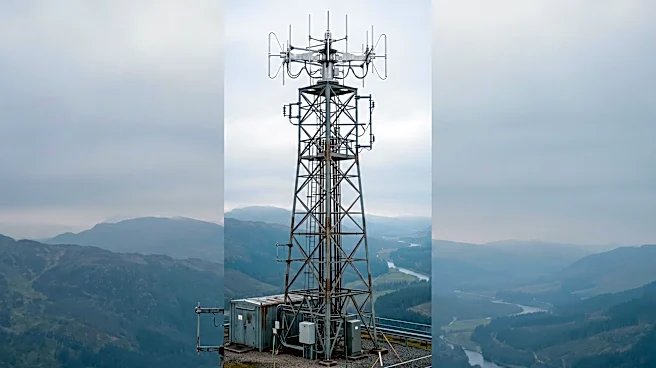
This request for an extension highlights significant challenges within the noncommercial educational (NCE) radio sector, particularly for smaller organizations and community broadcasters. The "25-year backlog" indicates a substantial unmet need for FM translator licenses, which are crucial for expanding the reach and improving the signal quality of NCE stations. These stations often serve local communities, providing vital information, education, and cultural programming that might not be available from commercial broadcasters. The lack of adequate consulting capacity and FCC support tools creates an uneven playing field, potentially disadvantaging smaller or less-resourced applicants. If the extension is not granted, many deserving NCE stations could miss a rare opportunity to secure a translator, thereby limiting their ability to serve the public. This situation underscores the importance of accessible regulatory processes for non-profit entities and the potential for administrative bottlenecks to hinder public service initiatives.
What's Next?
The FCC will need to respond to the joint request for an extension of the FM translator filing window. If the extension is granted, it would provide consultants and applicants with additional time, potentially until November 25, to prepare and submit applications, reducing the risk of defective filings. If the FCC denies the request, many noncommercial educational stations may be unable to file their applications, or may submit incomplete or incorrect ones, leading to dismissals and further administrative burdens. This could result in a significant number of NCE stations missing out on the opportunity to expand their reach. The situation also calls for the FCC to review its processes for future filing windows, particularly regarding the provision of public tools and timely communication, to ensure a more equitable and efficient application process for all stakeholders, especially those in the noncommercial sector.
Beyond the Headlines
The struggle faced by noncommercial groups in securing FM translator licenses points to broader issues concerning the sustainability and accessibility of community-based media in the U.S. In an increasingly digital landscape, local radio stations, particularly NCEs, play a vital role in fostering civic engagement, providing local news, and preserving cultural heritage. The administrative hurdles and capacity constraints highlighted by this situation underscore the challenges faced by non-profit organizations in navigating complex federal regulations. Ethically, it raises questions about equitable access to broadcast spectrum for public service entities versus commercial interests. Long-term, if NCE stations are unable to expand their reach, it could lead to a further consolidation of media power and a reduction in diverse voices, impacting local communities and the broader media ecosystem. This event serves as a reminder of the ongoing need to support and facilitate the growth of noncommercial media outlets.