
What's Happening?
Amtrak's Hiawatha train service, which operates between Milwaukee and Chicago, is set to increase its seating capacity this fall. The service, which had been operating with reduced capacity since March
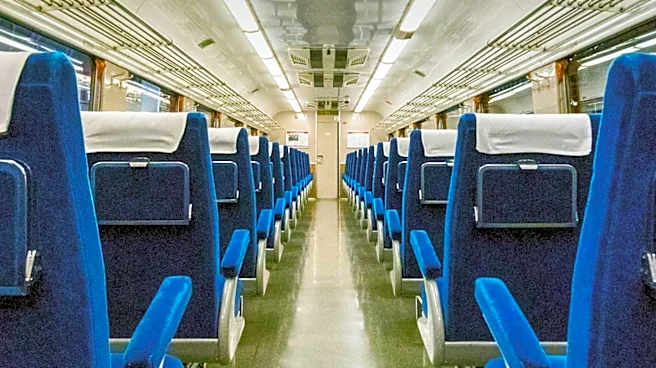
2025 due to the removal of Horizon passenger cars, will introduce nine new railcars. These include six coach cars and three cab-coach cars from Siemens' Venture trainset. The new cab-coaches will replace older Amtrak-owned F-40 cab cars, which did not have passenger seating. The first two new coach cars are expected to be operational by September, with the remaining cars entering service through October and November. Once fully implemented, each trainset will accommodate up to 388 passengers and nine bicycles. This development follows a long process of planning and funding, with the Wisconsin Department of Transportation having ordered the new cars in 2021.
Why It's Important?
The introduction of new railcars on the Hiawatha line is significant for several reasons. It addresses the issue of reduced seating capacity that has affected the service since 2025, thereby improving the travel experience for passengers. The increased capacity is expected to meet the growing demand for this popular route, which connects two major cities in the Midwest. Additionally, the investment in new railcars reflects ongoing efforts to modernize and enhance public transportation infrastructure, which can have positive economic and environmental impacts. By providing more efficient and comfortable travel options, Amtrak can potentially attract more riders, reduce road congestion, and contribute to lower carbon emissions.
What's Next?
The new railcars will undergo commissioning and testing in Chicago, a process expected to take three to four months. As the new cars are gradually introduced, Amtrak will likely monitor passenger feedback and operational performance to ensure a smooth transition. The success of this initiative could influence future investments in rail infrastructure and services, both regionally and nationally. Stakeholders, including local governments and transportation agencies, may also consider similar upgrades to other routes to enhance connectivity and support sustainable transportation goals.