









What's Happening?
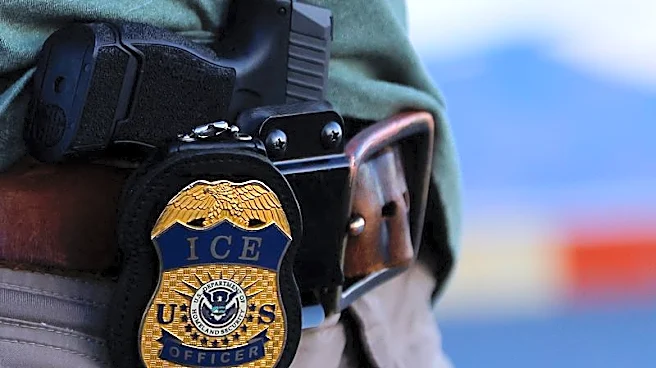
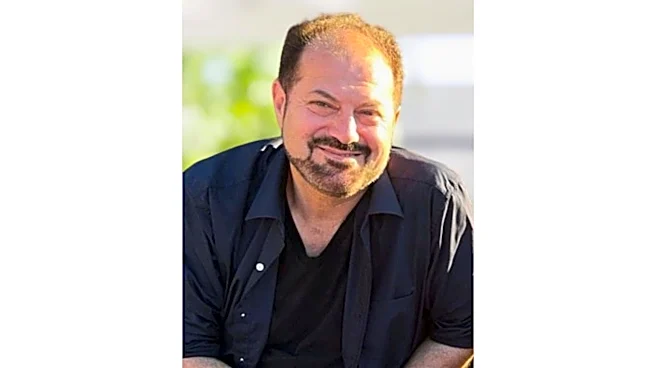
A federal judge has ordered the release of Salah Sarsour, the president of Wisconsin's largest mosque, from ICE detention. Sarsour, a Palestinian-born legal permanent resident, was detained in March, with the government citing him as a foreign policy
threat. However, the judge found substantial claims that Sarsour was targeted for his pro-Palestinian activism. The ruling emphasized that foreign relations concerns do not override First Amendment rights. Sarsour, who has health issues, was released to return home while his immigration case continues.
Why It's Important?
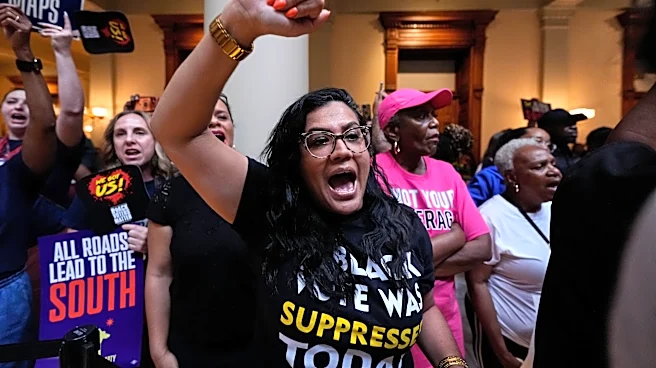
This case underscores the tension between national security concerns and individual rights, particularly regarding free speech and immigration enforcement. The ruling highlights the potential for government overreach in targeting individuals based on political beliefs, raising concerns about civil liberties. Sarsour's case may set a precedent for similar cases, influencing how immigration authorities handle detainees with political activism backgrounds. The decision also reflects broader debates about the balance between security and rights in the U.S. legal system.
What's Next?
Sarsour's immigration case will continue, with potential implications for his legal status in the U.S. The ruling may prompt further scrutiny of ICE's detention practices and the treatment of political activists. Advocacy groups may use this case to push for policy changes and greater protections for free speech. The case could also influence public discourse on immigration and civil rights, potentially impacting future legislation and enforcement practices.