



What's Happening?
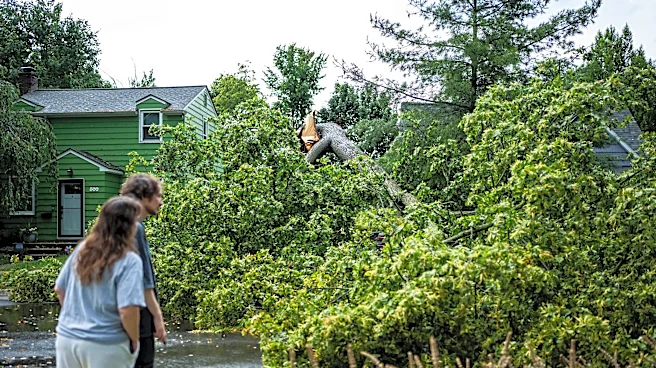
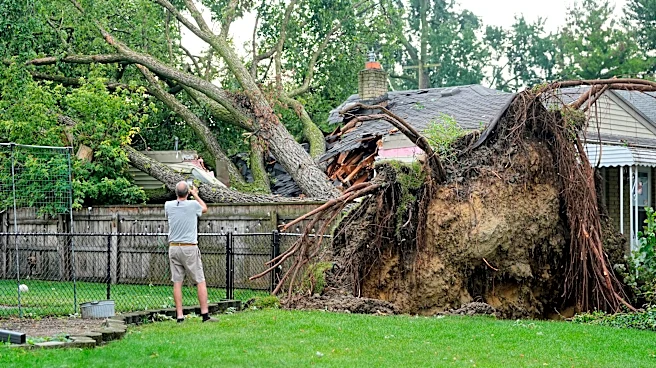
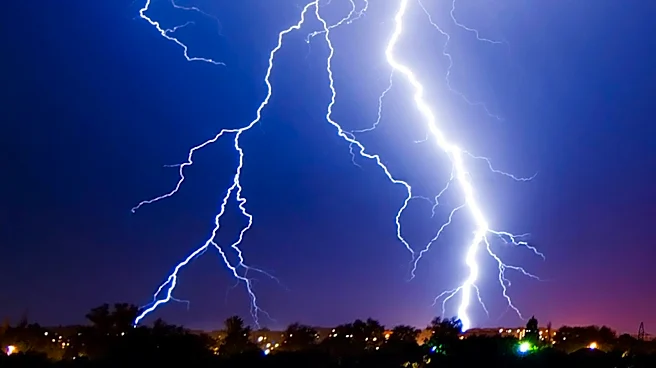
Detroit's east side was hit by a confirmed tornado on Thursday, marking the first such event in the city in nearly 30 years. The National Weather Service confirmed the tornado touched down in the Mount Elliott and East Vernon area. This severe weather
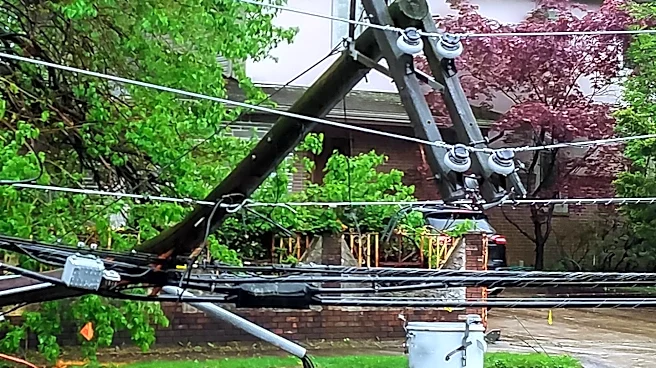
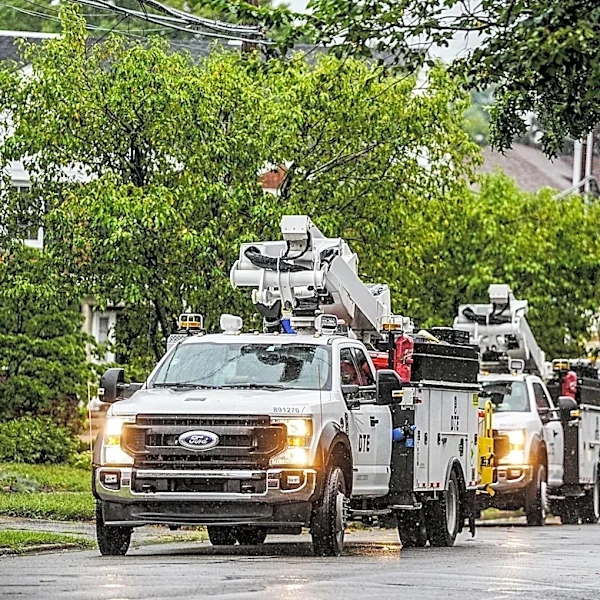
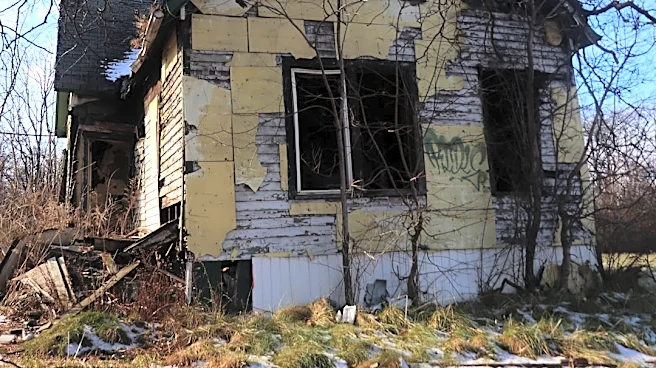
event, part of a larger storm system that swept across Metro Detroit, resulted in significant damage to homes and widespread downed trees. Over 250,000 residents experienced power outages. DTE Energy, the primary utility provider, has been working to restore electricity, with expectations to restore power to 65% of affected customers by the end of Friday, 90% by Saturday, and full restoration by Sunday. The storms also brought heavy rainfall, leading to flooding in various parts of Metro Detroit, with some areas receiving over two inches of rain. Michigan Attorney General Dana Nessel issued a warning to residents about potential scams related to storm damage cleanup, urging caution against unethical contractors and individuals posing as utility representatives.
Why It's Important?
The tornado and accompanying severe weather have had a substantial immediate impact on the Detroit metropolitan area, disrupting daily life for hundreds of thousands of residents. The extensive power outages pose significant challenges, especially as the region heads into a holiday weekend, affecting businesses, essential services, and household routines. The damage to infrastructure, including homes and trees, will necessitate considerable cleanup and repair efforts, potentially straining local resources and requiring significant financial investment. The Attorney General's warning highlights the vulnerability of residents during disaster recovery, underscoring the importance of consumer protection against fraudulent activities. This event also serves as a stark reminder of the increasing frequency and intensity of extreme weather phenomena, prompting discussions on urban resilience and emergency preparedness in densely populated areas.
What's Next?
Utility crews, including over a thousand field workers from outside Michigan, will continue their efforts to restore power to the remaining affected customers, aiming for full restoration by Sunday. Residents are advised to prioritize safety, staying clear of downed power lines and ensuring proper generator usage. The National Weather Service has indicated a marginal to slight risk for additional severe weather on Friday, with potential for heavy rainfall and flooding due to saturated ground. Local authorities will continue damage assessments and coordinate cleanup operations across affected neighborhoods. Michigan Attorney General Dana Nessel's office will likely monitor for and address any reported scams related to storm repairs. The long-term recovery will involve residents and local governments addressing property damage and potentially reviewing existing emergency response protocols.
Beyond the Headlines
The rare occurrence of a tornado directly hitting Detroit after nearly three decades could prompt a re-evaluation of urban planning and disaster preparedness strategies in the region. While tornadoes are more common in other parts of the U.S., this event underscores that no area is entirely immune to extreme weather, potentially influencing future infrastructure development and building codes. The widespread power outages highlight the fragility of critical infrastructure in the face of severe weather, raising questions about grid resilience and the potential for decentralized energy solutions. Furthermore, the Attorney General's proactive warning against scams points to a broader societal issue of exploitation during crises, emphasizing the need for community vigilance and robust consumer protection mechanisms in the aftermath of natural disasters. This event may also contribute to ongoing discussions about climate change and its localized impacts on urban environments.