




What's Happening?
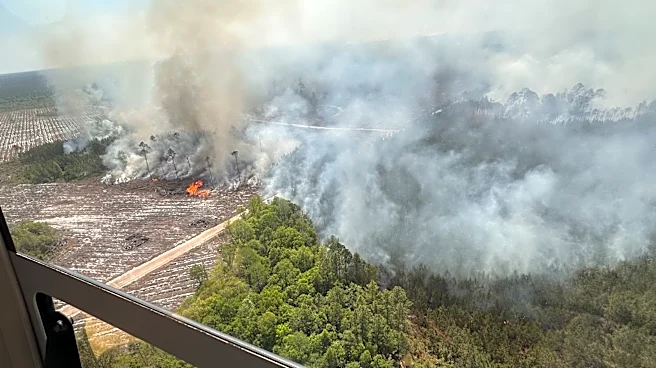
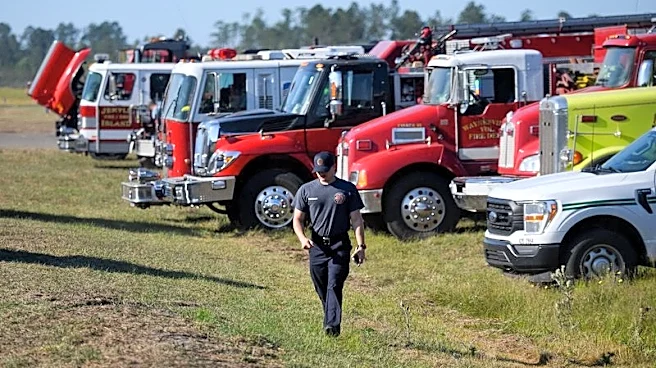
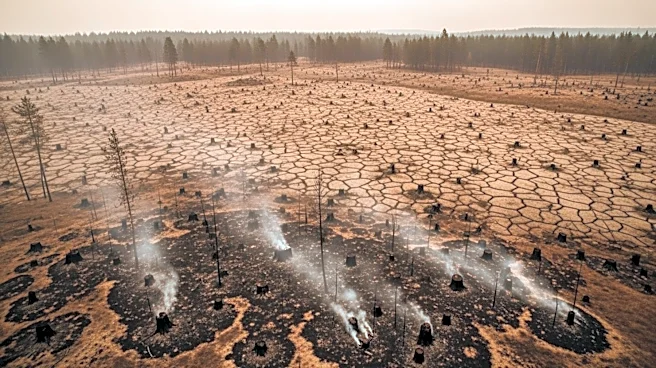
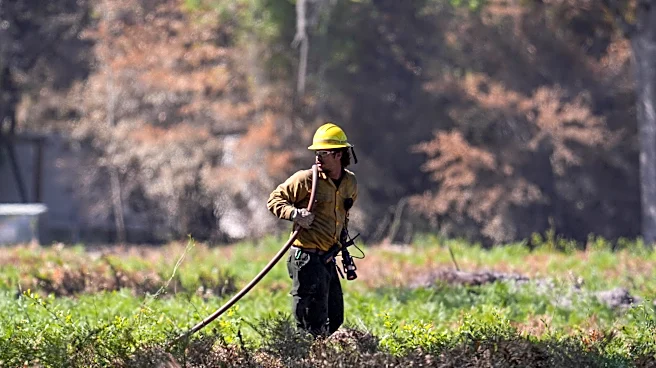
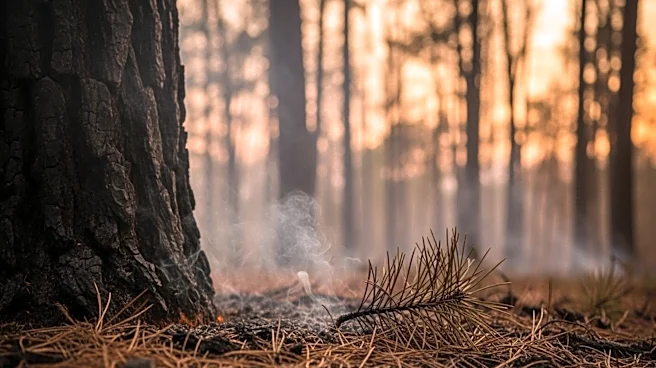
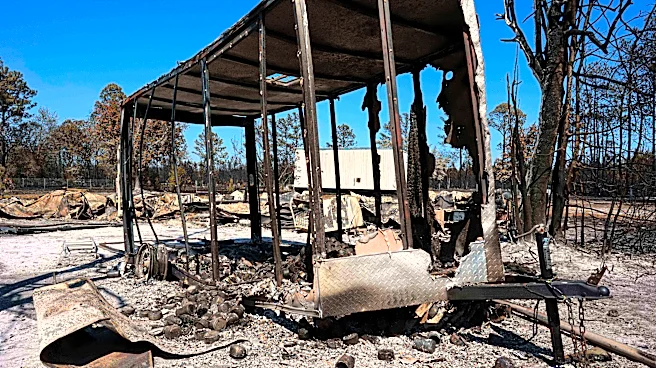
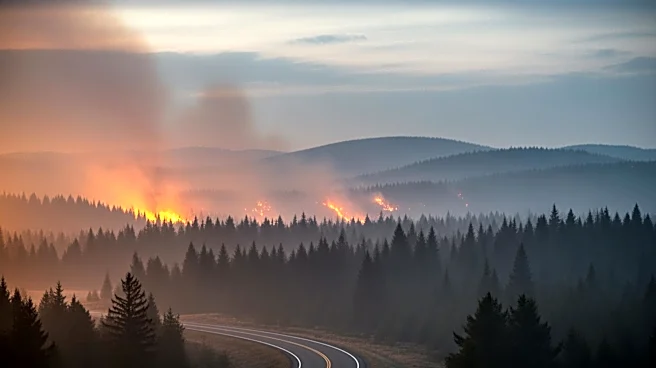
Recent wildfires in Georgia have underscored a growing trend of increased wildfire activity in the eastern United States, traditionally more associated with the western regions. The fires, which destroyed dozens of homes, are attributed to a combination
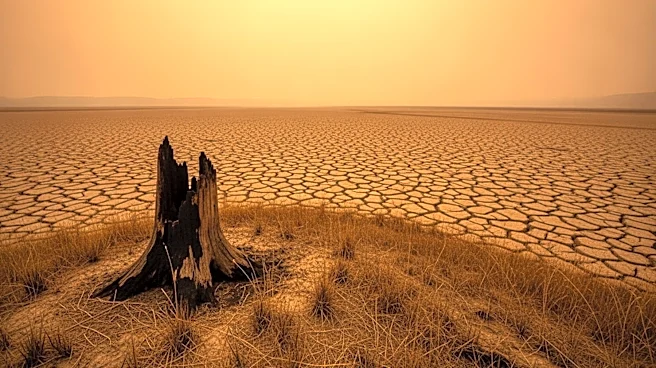
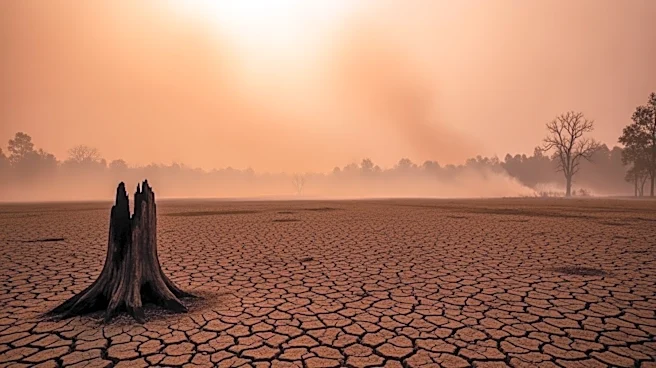
of factors including climate change, a record drought, and the aftermath of Hurricane Helene, which left millions of dead trees. According to fire scientists, these conditions have made the region more susceptible to fires, with 2,802 square miles of the U.S. already burned this year, significantly above the 10-year average. Researchers from the University of Florida have noted an increase in the number and intensity of fires in the southeastern U.S. from 1984 to 2020, prompting the creation of a new research network to study these fires.
Why It's Important?
The increase in wildfire activity in the eastern U.S. has significant implications for public safety, environmental management, and urban planning. The region's dense forests and high population density create a challenging wildland-urban interface, increasing the risk to human life and property. As climate change continues to exacerbate these conditions, there is a pressing need for improved fire management strategies and community preparedness. The economic impact is also considerable, with potential losses in timber and increased costs for firefighting and recovery efforts. Understanding and mitigating these risks is crucial for protecting communities and ecosystems in the eastern U.S.
What's Next?
In response to the growing threat, researchers and policymakers are likely to focus on developing strategies to manage and reduce wildfire risks in the eastern U.S. This may include increased funding for fire research, improved forest management practices, and enhanced community preparedness programs. Additionally, there may be a push for policy changes at both state and federal levels to address the underlying causes of increased fire activity, such as climate change and land use practices. Collaboration between scientists, government agencies, and local communities will be essential in developing effective solutions.
Beyond the Headlines
The shift in wildfire dynamics in the eastern U.S. also raises questions about long-term environmental and social impacts. As fires become more frequent and intense, there may be changes in local ecosystems, affecting biodiversity and forest health. The increased fire risk could also influence real estate markets and insurance costs, as well as necessitate changes in building codes and land use planning. Culturally, communities may need to adapt to a new reality where wildfires are a more common threat, influencing local traditions and lifestyles.