
What's Happening?
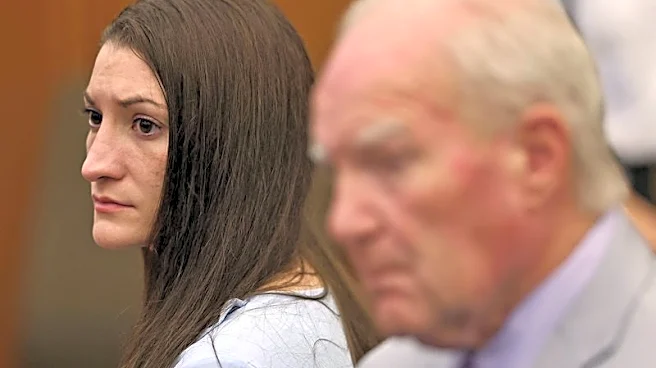
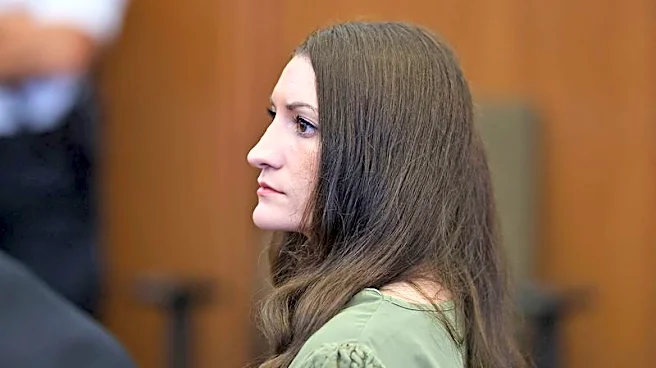
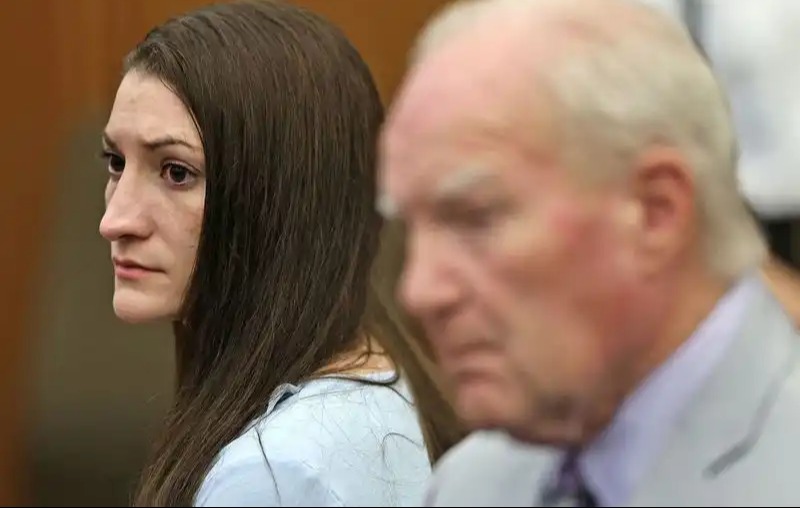
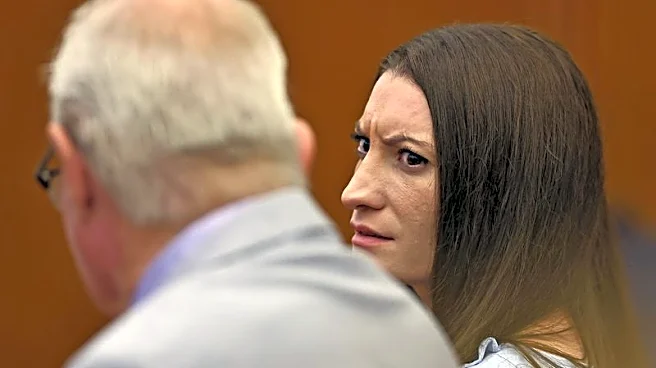
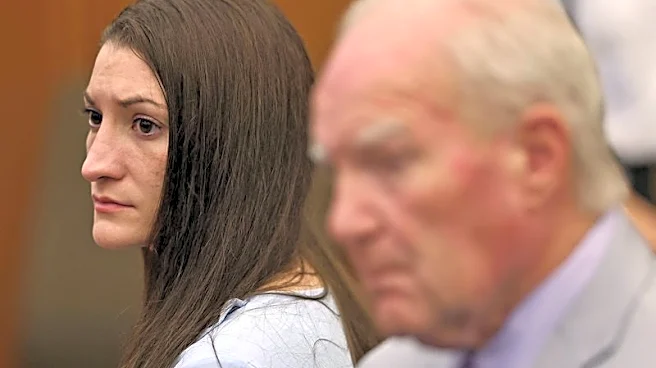
Lindsay Clancy will remain at Tewksbury Hospital, a Massachusetts state-run psychiatric facility, after a mistrial was declared in her triple-murder case. The jury was unable to reach a unanimous decision
regarding whether Clancy was criminally responsible for the deaths of her three children—Cora, 5, Dawson, 3, and Callan, 8 months—in January 2023. Her defense lawyer, Kevin Reddington, confirmed her return to the hospital after his appeal to prevent a mistrial was denied by the state’s Supreme Court. Clancy claims she was suffering from postpartum psychosis and was overprescribed psychiatric medications at the time of the incident. Following the deaths of her children, she attempted suicide, resulting in partial paralysis. Dr. Avram Mack, who testified during the trial, described Clancy's routine at the hospital as largely solitary, with little interest in physical therapy, hygiene, or social interaction, and a reported feeling of 'situational depression' and misery.
Why It's Important?
This mistrial highlights the complexities and challenges inherent in cases involving mental health defenses, particularly postpartum psychosis. The inability of the jury to reach a unanimous verdict underscores the difficulty in determining criminal responsibility when severe mental illness is a factor. This case brings to the forefront the ongoing societal and legal debate surrounding mental health and its role in criminal justice, potentially influencing future legal strategies and public perception of such defenses. It also emphasizes the need for a deeper understanding of postpartum mental health conditions and the support systems available to new mothers. The outcome could prompt further discussions on how the legal system addresses cases where mental illness significantly impacts an individual's actions, potentially leading to calls for specialized legal frameworks or increased mental health resources within the justice system.
What's Next?
Lindsay Clancy will remain at Tewksbury Hospital while prosecutors decide their next steps. Plymouth County District Attorney Timothy J. Cruz is expected to retry the case, as suggested by Boston defense attorney Brad Bailey, who believes Cruz will seek justice for the deceased children. If a new trial proceeds, both the prosecution and defense will likely refine their strategies, with the prosecution potentially seeking stronger expert testimony, especially from those experienced in treating postpartum psychosis. The defense may focus on better explaining the fluctuating nature of psychosis and periods of lucidity. Alternatively, prosecutors might offer a plea deal for a lesser charge, such as second-degree murder or manslaughter, though Bailey believes Clancy's defense attorney would likely reject such an offer. If the state decides not to retry, it could issue a 'nolle prosequi,' dismissing the indictments. However, a new trial for first-degree murder is considered the most probable outcome.
Beyond the Headlines
The Lindsay Clancy case delves into profound ethical and societal questions surrounding maternal mental health, culpability, and the justice system's capacity to address complex psychological conditions. The mistrial underscores the public's struggle to reconcile tragic outcomes with the nuances of mental illness, particularly postpartum psychosis, which remains widely misunderstood. This case could serve as a catalyst for increased awareness and destigmatization of severe postpartum mental health disorders, potentially leading to improved screening, early intervention, and comprehensive support for new mothers. It also raises questions about the role of medical professionals in prescribing psychiatric medications and monitoring patients with complex mental health needs. The long-term implications could include a re-evaluation of legal precedents concerning mental illness defenses and a push for more compassionate, yet just, approaches to cases where mental health significantly impacts criminal behavior, ultimately shaping public discourse on mental health and criminal justice reform.