






What's Happening?
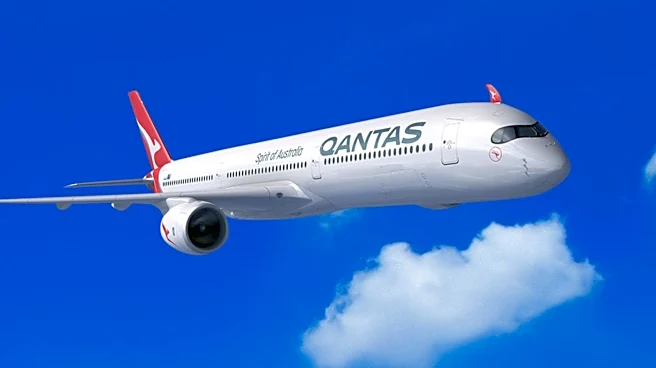
A Qantas passenger plane, flight QF122, en route from Queenstown, New Zealand, to Sydney, Australia, was diverted to Christchurch after experiencing a suspected engine issue shortly after take-off. Residents in Queenstown reported hearing multiple loud
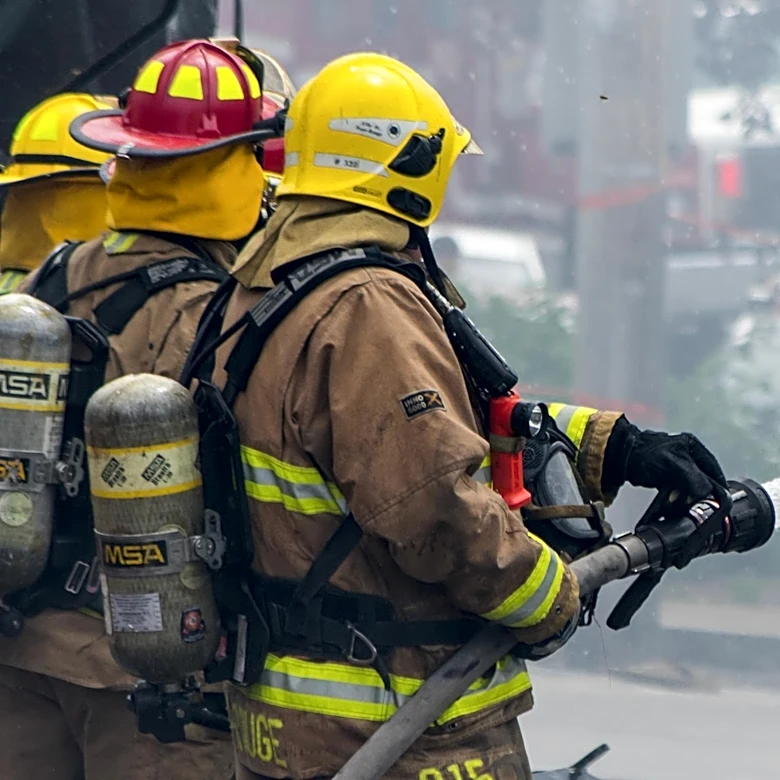
bangs and witnessing flames emanating from the aircraft's left engine as the 15-year-old Boeing 737 departed. The plane, which has a seating capacity of approximately 160 passengers, landed safely in Christchurch. Firefighters were on standby at Christchurch International Airport as a standard precaution for any inbound aircraft reporting trouble. Qantas confirmed the incident, stating that their pilots are highly trained to manage such situations and that all customers would be contacted to provide support for what was described as a distressing experience.
Why It's Important?
This incident highlights the critical importance of stringent maintenance protocols and pilot training in the aviation industry. While the flight landed safely, the visual evidence of flames from an engine during take-off can be deeply unsettling for passengers and the public, potentially impacting confidence in air travel. For Qantas, a major international airline, such events can lead to increased scrutiny from aviation authorities and a temporary dip in public perception, even if safety procedures are followed correctly. The incident also underscores the effectiveness of emergency response systems, with the plane being safely diverted and emergency services prepared. The age of the aircraft, a 15-year-old Boeing 737, may also draw attention to fleet maintenance schedules and the longevity of commercial aircraft, though the specific cause of the engine issue is yet to be determined.
What's Next?
Qantas will likely initiate a thorough investigation into the cause of the suspected engine issue on flight QF122. This investigation will involve examining the aircraft's maintenance records, the specific engine components, and the operational procedures followed during take-off. The airline will also focus on providing support to the affected passengers, which may include rebooking them on alternative flights and offering compensation or counseling. Aviation authorities in both New Zealand and Australia will likely monitor or participate in the investigation to ensure compliance with safety regulations. Depending on the findings, there could be recommendations for adjustments to maintenance schedules, operational procedures, or even broader implications for the Boeing 737 fleet, though such outcomes are speculative at this stage. The incident will serve as a case study for ongoing safety improvements within the airline industry.
Beyond the Headlines
Beyond the immediate safety concerns, this event touches upon the psychological impact of air travel incidents on passengers and the broader public. The availability of video footage showing flames from the engine amplifies the perceived severity of the event, potentially contributing to increased anxiety among travelers. This can lead to a greater demand for transparency from airlines regarding safety measures and incident reporting. Furthermore, the incident could spark discussions about the balance between operational costs and the continuous upgrading of aircraft technology and maintenance, especially for older models in active service. The rapid dissemination of such footage through social media also means that airlines must manage public perception and communication swiftly and effectively to maintain trust and mitigate potential reputational damage.