
What's Happening?
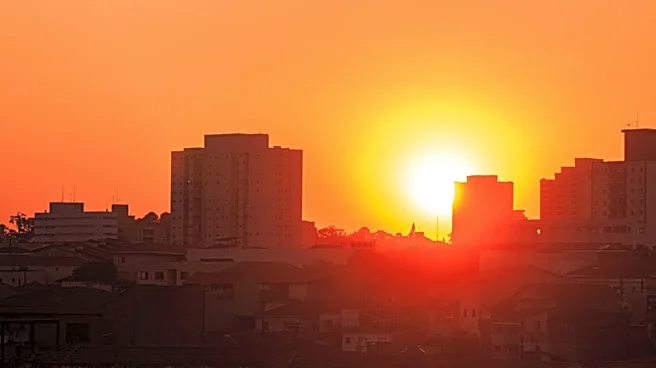
As New England progresses through August, the region experiences a significant reduction in daylight hours, marking the transition from summer to fall. This period, known as the halfway point between the summer solstice
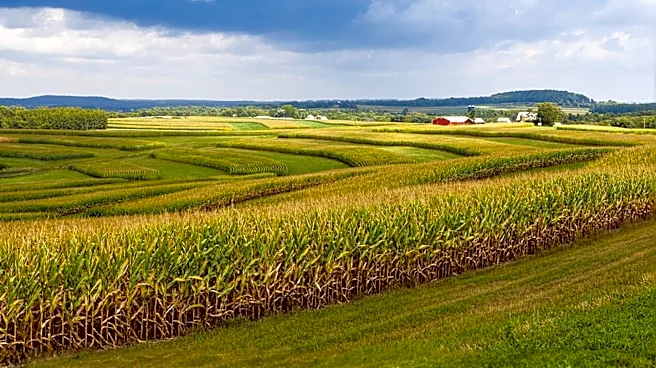
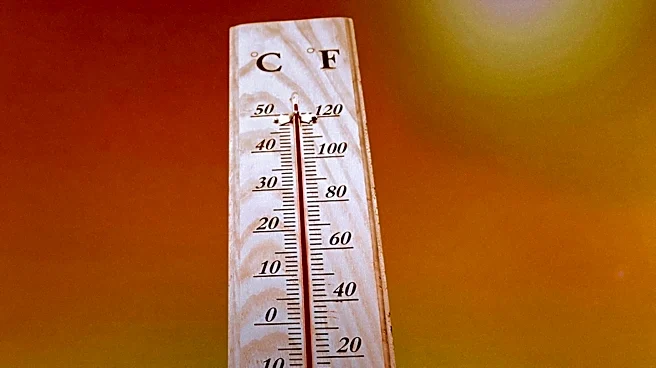
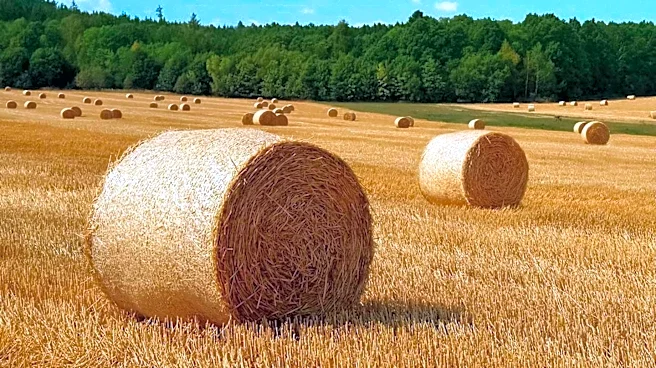
and the fall equinox, sees daylight hours decrease from 15 hours and 17 minutes at the solstice to 14 hours and 16 minutes by early August. By the equinox on September 22, daylight will further reduce to 12 hours and 9 minutes. This change in daylight is accompanied by a decrease in the sun's angle, affecting the intensity and behavior of sunlight. Despite the reduction in daylight, temperatures remain relatively high due to seasonal lag, with the ocean and ground retaining heat from earlier months. However, temperatures are expected to drop significantly by late September. This period also coincides with a peak in local agricultural production, with farms across the region offering a bounty of produce such as peaches, apples, corn, and tomatoes.
Why It's Important?
The reduction in daylight and the impending drop in temperatures have significant implications for both the environment and local agriculture in New England. The shift in seasons affects the growing conditions for crops, influencing the availability and quality of local produce. Farmers and markets benefit from the current abundance, but must also prepare for the challenges of shorter days and cooler temperatures. Additionally, the transition period impacts local communities and businesses that rely on summer tourism and outdoor activities. As daylight decreases, there is a potential shift in consumer behavior and economic activity, with people spending less time outdoors. The seasonal changes also serve as a reminder of the region's vulnerability to weather patterns, particularly as the peak of tropical activity approaches in September.
What's Next?
As New England moves closer to the fall equinox, residents and businesses will need to adapt to the changing conditions. Farmers will continue to harvest and sell their produce, while also preparing for the end of the growing season. The region may also experience increased tropical activity, although the presence of El Niño suggests a less active hurricane season. Nonetheless, the potential for severe weather remains, and communities must remain vigilant. The transition to fall will also bring changes in energy consumption patterns, as people begin to rely more on heating. This period of change offers opportunities for local businesses to adjust their offerings and for communities to engage in seasonal activities that celebrate the harvest and the onset of autumn.