




What's Happening?
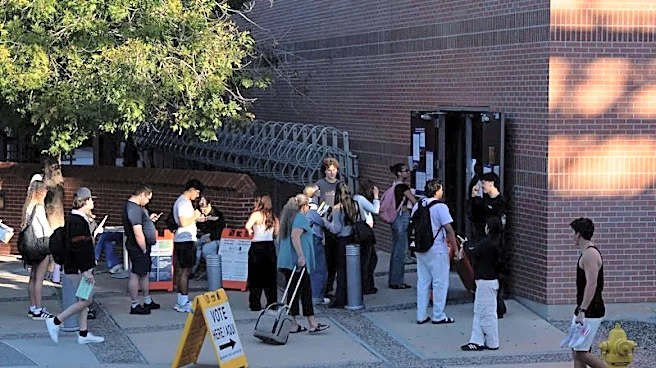
The Civic Literacy Initiative (CLI), a campus organization comprising AppVotes and Dialogue Across Difference, recently hosted an event at Plemmons Student Union to dissect the midterm election results. Panelists Phillip Ardoin, chair of the Department
of Government and Justice Studies, Johnnie Lotesta, assistant professor of sociology, and Stephanie Schmitt, assistant professor of political science, addressed questions from Matias Cherry, a CLI member and senior political science major. The goal was to encourage students to look beyond who won or lost and consider the deeper implications for the country's political systems in the coming years. CLI aims to provide students with resources for informed decision-making at the ballot box without attempting to sway their votes. Professor Lotesta, whose research focuses on civic engagement in Gen Z, noted that students often fear backlash for expressing political opinions on social media. The event sought to create a comfortable environment for political discourse, fostering a sense of community and encouraging civic involvement. Students, including freshman psychology major Paige Bergeron, expressed a desire for government decisions to prioritize constituents' needs over party agendas.
Why It's Important?
This initiative is crucial for fostering informed and engaged citizens, particularly among younger generations who may be new to voting or hesitant to express political views. By providing a platform for respectful dialogue and critical analysis of election outcomes, CLI helps students understand the complexities of the political landscape and how government decisions impact everyday lives. The emphasis on constituent needs over party agendas, as highlighted by student Paige Bergeron, reflects a broader desire for more responsive and representative governance. Encouraging open political discourse in a safe environment can counteract the chilling effect of social media backlash, promoting a more robust and participatory democracy. This type of civic education is vital for developing a citizenry capable of making educated decisions and holding elected officials accountable, ultimately strengthening democratic processes and community engagement.
What's Next?
The Civic Literacy Initiative plans to continue its efforts in providing resources and platforms for students to engage with political issues and develop civic literacy. The success of this event suggests a demand for such discussions, indicating that similar forums will likely be organized for future elections and significant political developments. The focus on creating a comfortable environment for sharing perspectives could lead to more students feeling empowered to participate in political discourse, both on campus and in broader public spheres. Furthermore, the insights gained from these discussions could inform future educational strategies aimed at enhancing civic engagement among Gen Z, potentially influencing curriculum development or the creation of additional campus programs designed to bridge political divides and promote constructive dialogue.