



What's Happening?
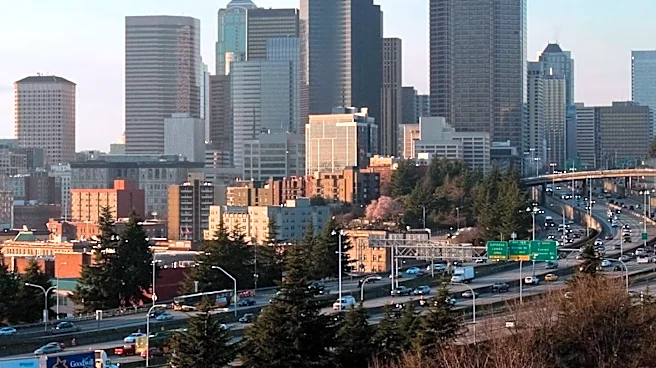
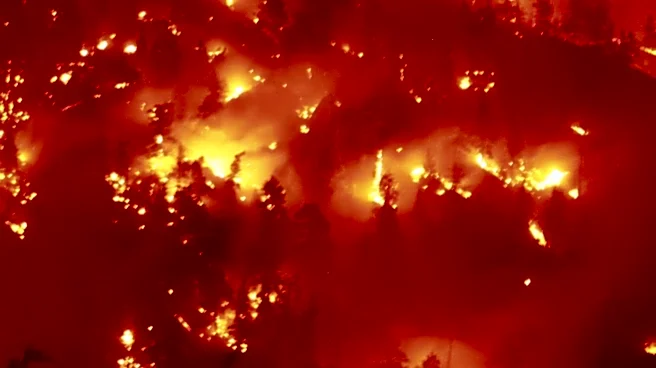
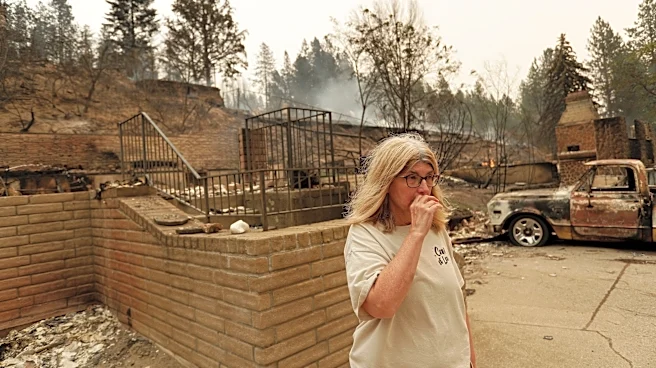
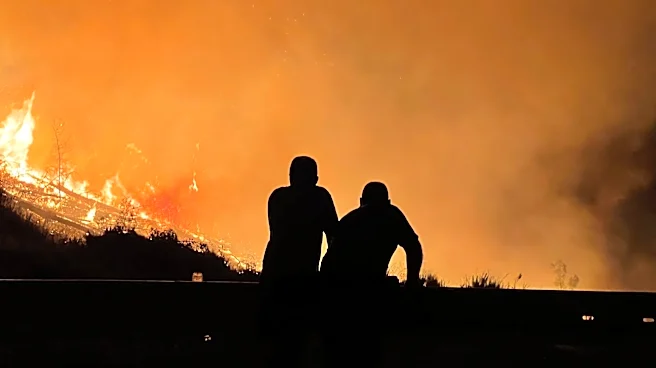
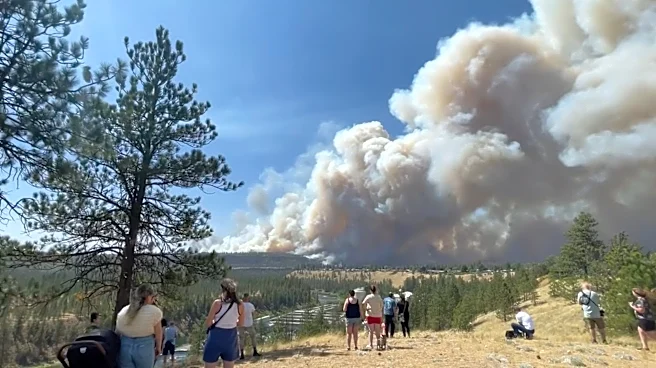
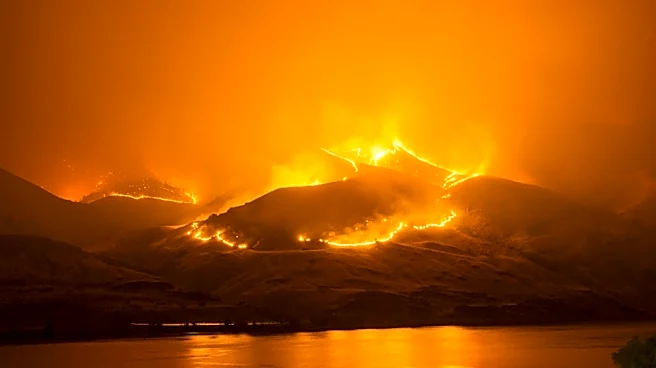
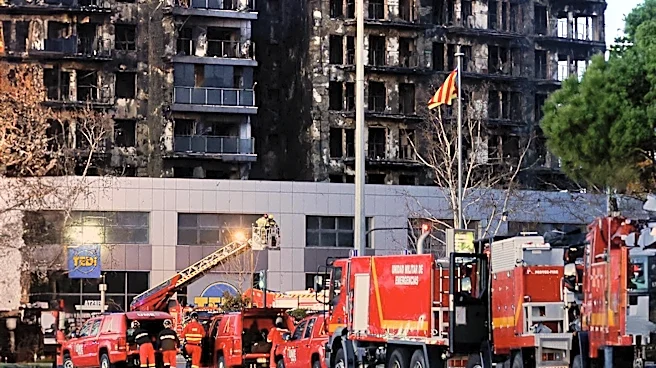
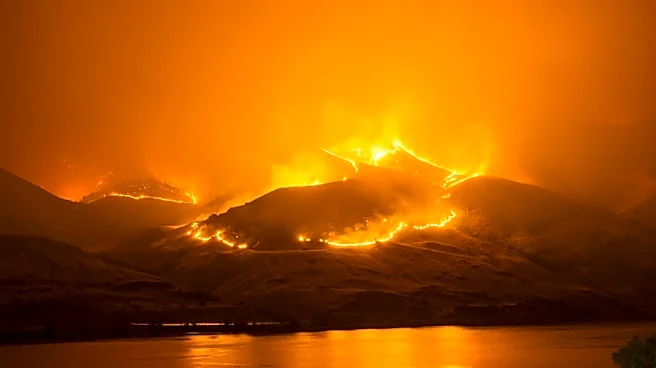
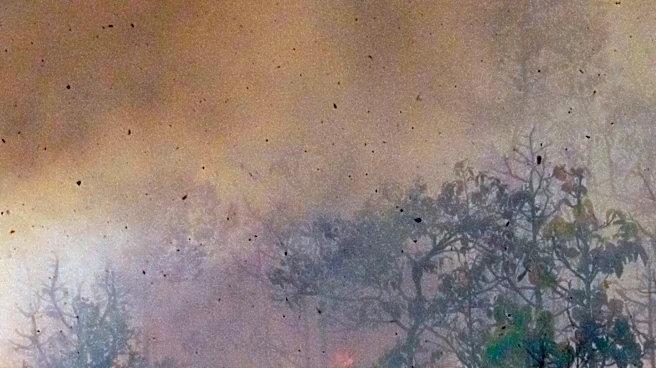
In Spokane, Washington, approximately 60,000 residents have been evacuated due to wildfires that have ravaged the area. The fires, driven by strong winds and dry conditions, have destroyed over 600 structures, including homes and businesses. As of August
2, the fires have burned more than 7,700 acres and remain 0% contained. The emergency response involves over 900 firefighting personnel, including teams from outside the state. Spokane Mayor Lisa Brown described the situation as the worst natural disaster the region has faced. The cause of the fires is still under investigation, and no fatalities have been reported. A historic weather event, characterized by high temperatures, drought, and strong winds, has exacerbated the situation.
Why It's Important?
The wildfires in Spokane highlight the increasing frequency and intensity of natural disasters, likely exacerbated by climate change. The destruction of homes and businesses poses significant economic challenges for the affected communities, potentially leading to long-term displacement and financial hardship for residents. The fires also strain local and state resources, requiring a coordinated response from multiple agencies. The situation underscores the need for improved disaster preparedness and response strategies, as well as policies addressing climate change to mitigate future risks. The declaration of a statewide emergency by Washington Governor Bob Ferguson emphasizes the severity of the situation and the urgent need for federal attention and support.
What's Next?
Efforts to contain the wildfires will continue, with firefighting teams working to prevent further spread. The focus will be on protecting lives and property while investigating the cause of the fires. Local and state officials may seek federal assistance to support recovery efforts and address the immediate needs of displaced residents. The situation may prompt discussions on enhancing infrastructure resilience and emergency response capabilities. Additionally, there may be increased advocacy for policies aimed at reducing the impact of climate change and preventing similar disasters in the future.