




What's Happening?
Ryan Smith's vision for transforming downtown Salt Lake City into a 'sports, entertainment, culture and convention' district is facing concerns from leaders of the Japanese Church of Christ and Salt Lake Buddhist Temple. These churches are the last remnants
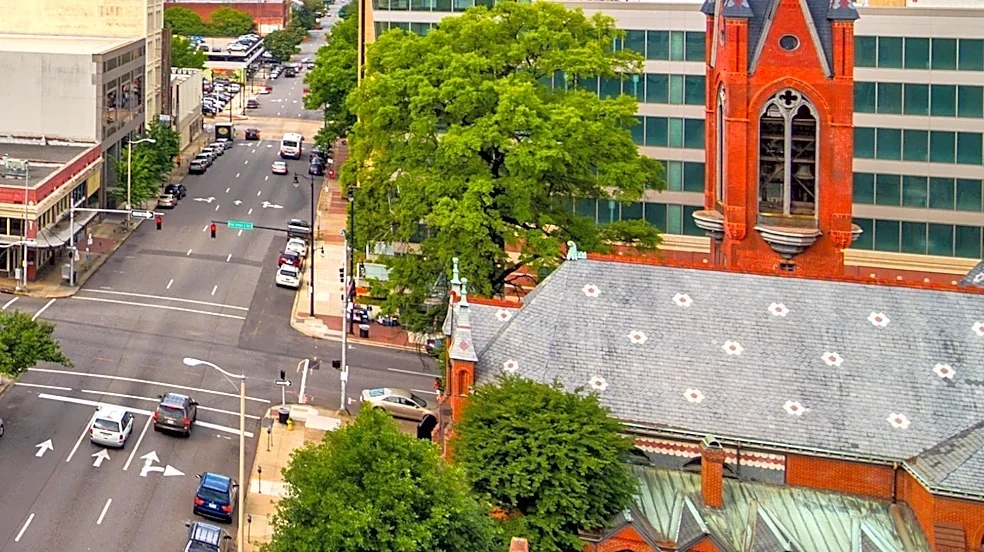
of a historic Japantown community, and their leaders fear the new development could negatively impact the neighborhood. The proposed district includes new housing, retail, office space, a hotel, and a 6,000-seat Live Nation concert venue, alongside a rebuilt Salt Palace Convention Center and Utah Museum of Contemporary Art. Lynne Ward, an elder at the Japanese Church of Christ, highlighted worries about construction impacts, including potential damage to the 102-year-old church's foundation from demolition and new construction. Plans for a new tunnel under 300 West for underground parking also raise concerns about the church's structural integrity. Additionally, there are fears that Japantown Street could become a 'back of house' area for the district, with increased truck traffic and loading docks obscuring Japanese cultural elements.
Why It's Important?
This situation highlights the tension between urban development and the preservation of historical and cultural communities in U.S. cities. The proposed transformation of downtown Salt Lake City, while aiming to boost economic activity and entertainment options, risks further eroding the identity of a historically significant neighborhood. The concerns raised by the Japanese Church of Christ and Salt Lake Buddhist Temple underscore the importance of considering the social and cultural impact of large-scale urban projects. The potential for increased traffic, noise, and structural damage to historic buildings could set a precedent for how development projects interact with existing communities. This case also brings to light the challenges faced by minority communities in maintaining their heritage amidst rapid urban expansion, emphasizing the need for inclusive planning that respects and integrates historical elements rather than displacing them.
What's Next?
Smith Entertainment Group acknowledges that their plans are still in the planning stages and subject to change, with new accommodations possible. Mike Maughan, an executive for the company, stated that some design elements already incorporate feedback from the Japanese Church of Christ and Salt Lake Buddhist Temple, aiming to prevent the area from feeling like a 'back of house.' Adjustments include retail and commercial spaces to activate the street, a walkway connecting the venue and church, and office spaces designed to be more active. The company plans to cover over 400 feet of exposed loading docks and has secured Live Nation's agreement for a mural honoring Japanese history on 100 South. New historical markers will also be installed. Smith Entertainment Group is finalizing construction plans and intends to share them with church members before demolition of the Salt Palace begins next year. They also plan to install monitoring equipment to protect the church's foundation and ensure accessibility during construction. The project is expected to be completed before 2034.
Beyond the Headlines
The conflict between urban revitalization and historical preservation in Salt Lake City's Japantown reflects a broader national challenge. Many U.S. cities grapple with how to modernize and grow while honoring the legacies of their diverse communities. The 'Japandock' concern articulated by Lynne Ward speaks to the fear of cultural erasure, where beautification efforts might only superficially mask the functional degradation of a historic area. This situation raises ethical questions about the responsibility of developers and city planners to genuinely integrate community input and protect vulnerable cultural sites, rather than merely offering cosmetic solutions. The long-term implications could include a loss of unique cultural identity, diminished community cohesion, and a precedent for prioritizing economic development over heritage. It underscores the need for robust community engagement processes that empower residents to shape their urban environments in ways that are both economically viable and culturally sensitive.