

What's Happening?
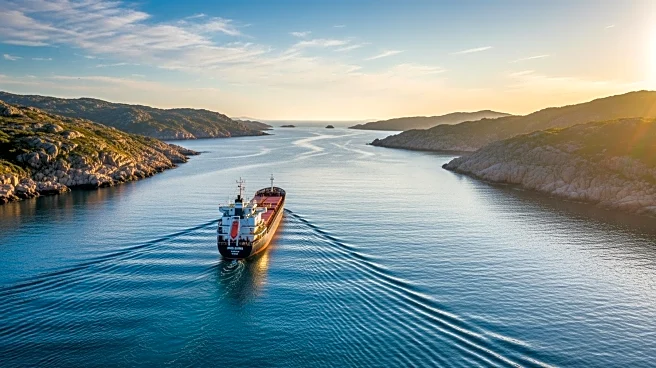
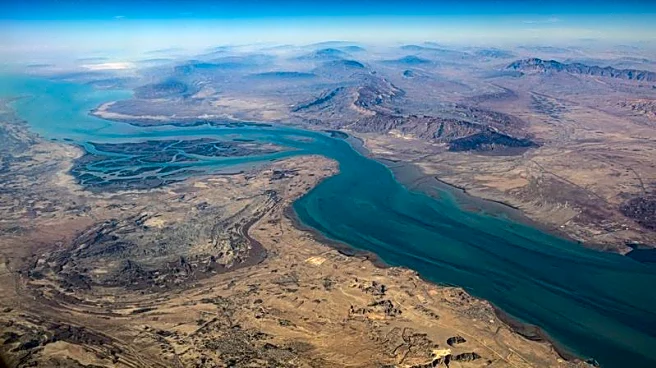
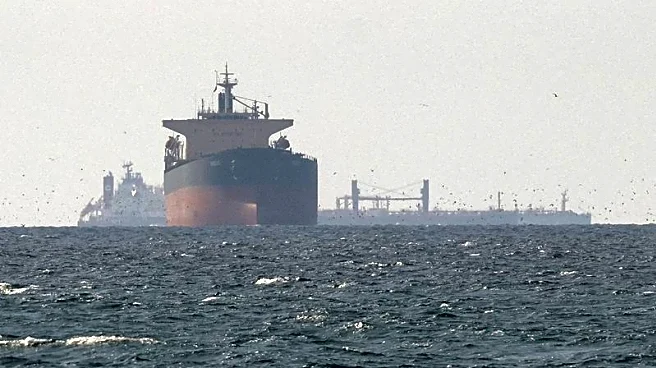
The Strait of Hormuz, a critical chokepoint for global oil transportation, has been effectively closed following the launch of Operation Epic Fury by the United States and Israel on February 28. This operation, which involved the use of drones rather
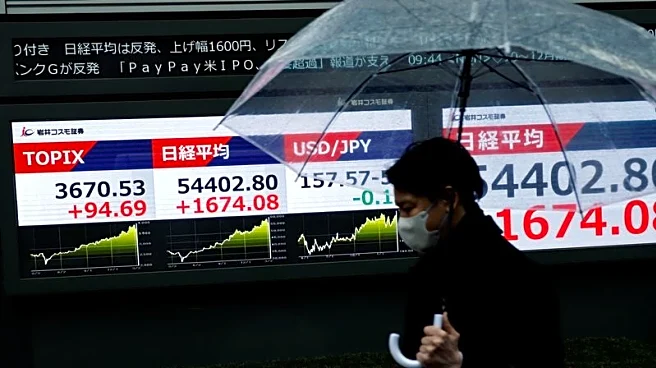
than traditional naval blockades or missiles, has led to a significant disruption in oil transportation. The closure has resulted in a sharp increase in oil prices, with Brent crude now trading above $100 per barrel. The closure has particularly impacted countries like Japan and South Korea, which rely heavily on oil imports through this route. The situation has prompted Japan to consider releasing emergency stockpiles. Meanwhile, China, a major importer of Iranian oil, has sent a special envoy to Tehran to urge a ceasefire.
Why It's Important?
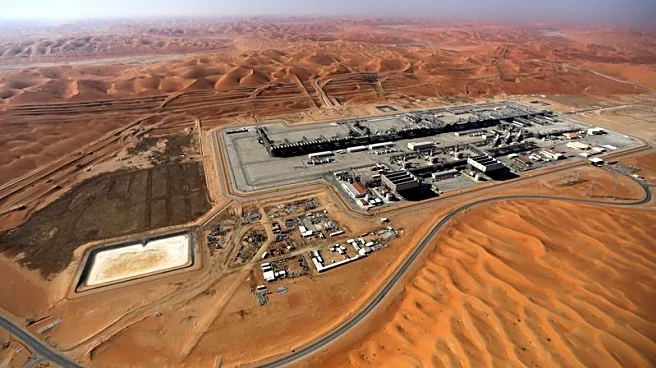
The closure of the Strait of Hormuz has triggered what is being described as the worst energy crisis since the 1970s. This development has significant implications for global energy markets, particularly for countries heavily dependent on Middle Eastern oil. The crisis underscores the vulnerability of global oil supply chains to geopolitical tensions and highlights the strategic importance of the Strait of Hormuz. The situation also places pressure on international relations, as countries like China and Japan navigate the economic and political fallout. The crisis could lead to increased energy prices globally, affecting industries and consumers alike.
What's Next?
President Trump is scheduled to meet with Chinese President Xi Jinping in Beijing on March 31. This meeting, initially focused on trade issues, will now likely address the ongoing crisis in the Strait of Hormuz. The outcome of this meeting could influence future diplomatic and economic strategies, particularly regarding energy security and international relations. Additionally, the response from other global stakeholders, including the European Union and Middle Eastern countries, will be crucial in determining the next steps in addressing the crisis.