







What's Happening?
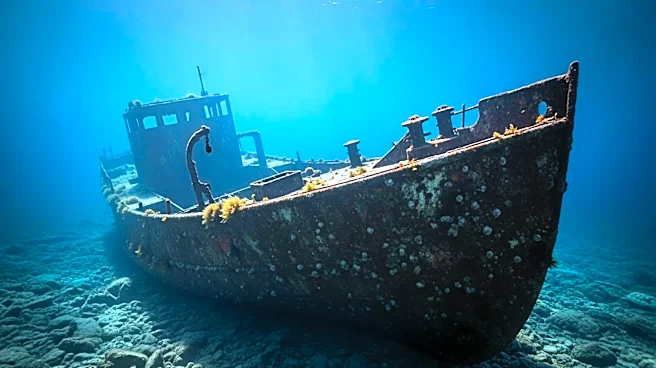
The wreckage of the USCG Cutter Tampa, lost in 1918 during World War I, has been discovered off the coast of Cornwall, United Kingdom, by the British diving team Gasperados. The vessel was torpedoed by a German submarine, resulting in the death of all 131
people aboard, including 111 Coast Guardsmen. This discovery marks the largest single American naval combat loss of life in World War I. The Coast Guard has expressed a deep connection to the sacrifice of the Tampa's crew, emphasizing the enduring legacy of their service. The discovery was made possible through historical records and technical data provided by the Coast Guard Historians Office.
Why It's Important?
The discovery of the Tampa's wreckage is a significant historical event, providing closure to a century-old maritime tragedy. It highlights the sacrifices made by the U.S. Coast Guard during wartime and serves as a reminder of the risks faced by service members. The find also offers an opportunity for further historical research and exploration, potentially yielding new insights into naval history and World War I. For the families of those lost, this discovery may offer a sense of resolution and honor the memory of their loved ones. Additionally, it underscores the importance of preserving and studying historical sites to better understand past conflicts.
What's Next?
The U.S. Coast Guard plans to conduct underwater research and exploration of the Tampa wreck site in collaboration with various specialized offices. This will involve the use of robotics and autonomous systems to gather more information about the vessel and its final moments. The findings could contribute to historical archives and educational programs, enhancing public understanding of naval history. The Coast Guard will also continue to honor the legacy of the Tampa's crew through commemorative events and initiatives, ensuring their sacrifice is remembered and respected.