



What's Happening?
Church World Service (CWS), an international humanitarian organization, is urging for stronger political commitments to refugee protection and asylum access as the world commemorates the 75th anniversary of the 1951 Refugee Convention. The Convention,
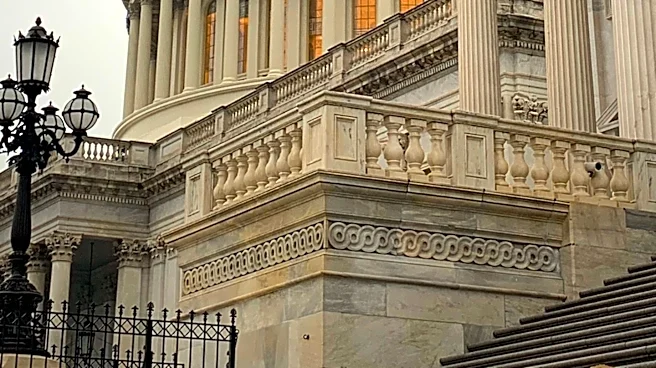
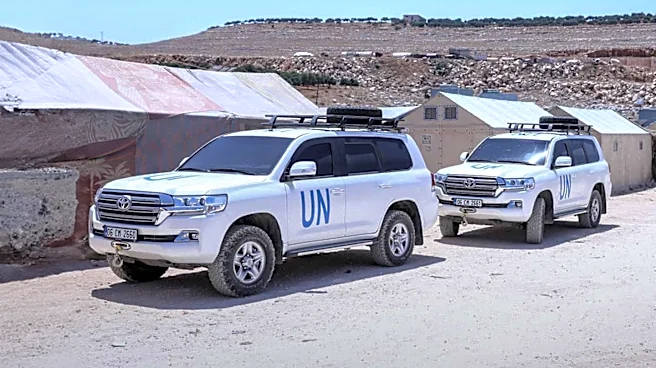
along with its 1967 Protocol, has been adopted by over 149 UN member states and is crucial in affirming the rights of people fleeing persecution. CWS highlights the moral and legal imperatives of protecting refugees, especially as global displacement reaches record levels. The organization collaborates with the International Council of Voluntary Agencies to call on UN member states and humanitarian actors to reinforce the Convention's principles. CWS President Rick Santos emphasizes the need for the U.S. to lead by example in welcoming refugees, amidst current federal policies that have been criticized for targeting refugees and newcomers.
Why It's Important?
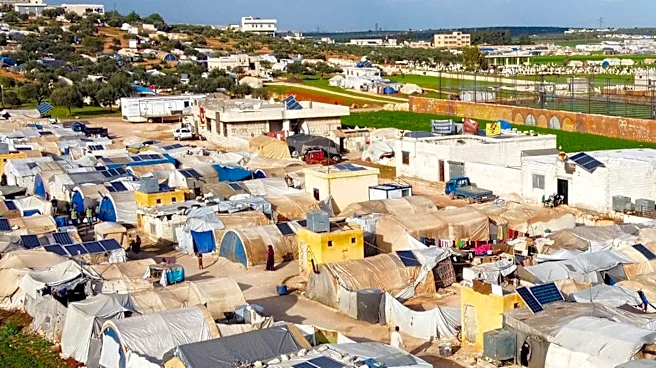
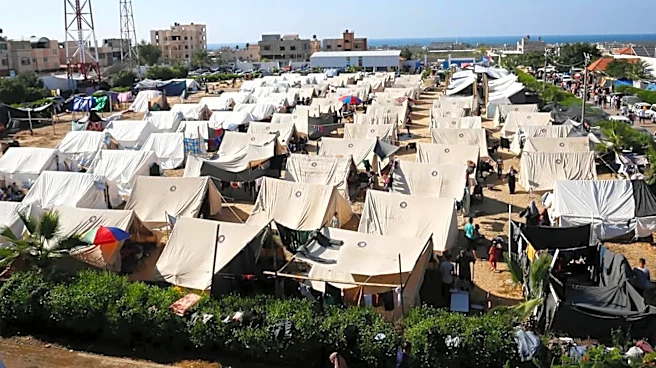
The call for stronger refugee protections is significant as it addresses the growing global displacement crisis, with 117.8 million people forcibly displaced worldwide. Strengthening the Refugee Convention's principles is crucial in ensuring that refugees are not returned to places where their lives are at risk. The U.S. plays a pivotal role in setting an example for other nations in terms of refugee resettlement and protection. The current U.S. administration's policies have been seen as less welcoming, which could impact international perceptions and the country's moral standing. CWS's advocacy highlights the need for a unified global response to uphold human rights and provide safety for displaced individuals.
What's Next?
CWS and its partners are likely to continue advocating for policy changes and increased commitments from international bodies and governments. The organization may engage in further collaborations with UN agencies and humanitarian actors to push for concrete actions that strengthen refugee protections. In the U.S., there may be ongoing discussions and potential policy shifts as advocacy groups and civil society push for more inclusive and humane refugee policies. The outcome of these efforts could influence global refugee policies and the overall approach to handling displacement crises.