




What's Happening?
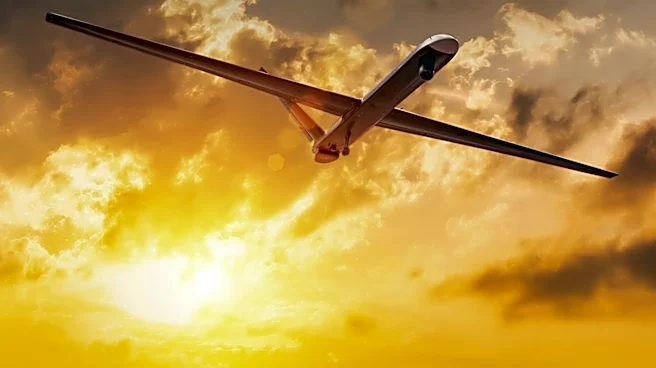
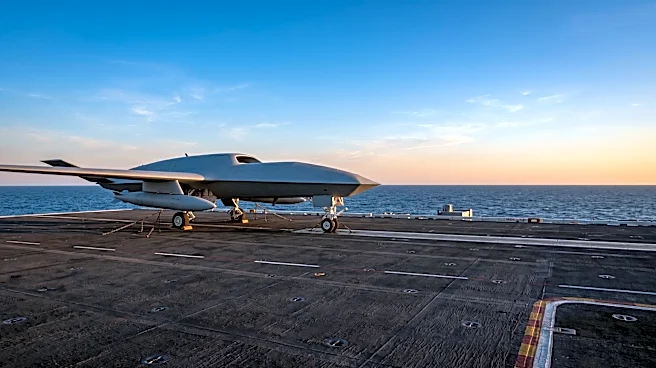
The U.S. Navy recently conducted tests on how it will operate Collaborative Combat Aircraft (CCA) by utilizing a General Atomics Aeronautical Systems Inc. MQ-20 Avenger drone. This evaluation focused on mission planning and execution during the Gray Flag
2026 exercise, held at Point Mugu Sea Range, California, in September. The Navy's Strike Planning & Execution Systems (PMX-281) developed a mission plan that was then transmitted to the MQ-20 Avenger for execution. Captain Todd Keith, PMX-281 program manager, stated that the Collaborative Autonomy Mission Planning (CAMP) initiative aims to enhance the usability of autonomy by integrating it into mission environments involving both manned and unmanned platforms. This test is part of the Navy's broader effort to integrate autonomous aircraft into its future operations, regardless of the specific system being flown. The Navy confirmed in August its plans to field surrogate CCAs while its own program is in early development stages, having concluded its concept refinement phase after receiving studies from various defense contractors.
Why It's Important?
This testing is a critical step for the U.S. Navy in advancing its future combat capabilities and maintaining technological superiority. The integration of CCAs, particularly autonomous unmanned aerial vehicles, is expected to significantly enhance the Navy's operational flexibility, extend its reach, and potentially reduce risks to human pilots in contested environments. By evaluating mission planning and execution with the MQ-20 Avenger, the Navy is laying the groundwork for a more interconnected and autonomous naval air fleet. The development of an affordable, highly capable, risk-tolerant, carrier-capable, and weaponized autonomous unmanned air vehicle is crucial for addressing evolving threats and maintaining a strategic advantage. This initiative also signals a shift in military doctrine towards greater reliance on AI-driven systems and collaborative autonomy, which could have long-term implications for defense spending, technological innovation, and the structure of future naval operations. The involvement of multiple defense contractors in the concept refinement phase underscores the competitive and innovative nature of this defense sector.
What's Next?
The U.S. Navy will continue to integrate autonomous aircraft into its future operations, building on the insights gained from the recent MQ-20 Avenger test. The Navy plans to contract with industry for the development and demonstration of CCA Increment 1 prototypes. These prototypes will focus on creating an affordable, highly capable, risk-tolerant, carrier-capable, weaponized, extended-range autonomous unmanned air vehicle that can operate from aircraft carriers. Discussions regarding specific platforms are currently pre-decisional. In addition to the MQ-20 test, the Navy has previously utilized other unmanned systems, such as Boeing's MQ-28 Ghost Bat and a Kratos BQM-177 subsonic drone equipped with Shield AI's Hivemind autonomy software, indicating a multi-faceted approach to developing its CCA capabilities. The ongoing squadron learning and preparation will be crucial for effectively integrating these advanced autonomous systems into naval aviation, with further tests and prototype development expected in the coming years.
Beyond the Headlines
The U.S. Navy's push for Collaborative Combat Aircraft represents a deeper strategic shift towards a more distributed and autonomous warfare paradigm. Beyond the immediate operational benefits, this development raises significant ethical and legal questions regarding the use of autonomous weapons systems, particularly concerning decision-making in combat. The concept of 'risk-tolerant' autonomous vehicles suggests a willingness to deploy systems that can operate in high-threat environments without human pilots, potentially altering the calculus of engagement and the nature of conflict. Furthermore, the emphasis on 'collaborative autonomy' highlights a future where manned and unmanned platforms work seamlessly together, requiring advanced command and control systems and robust cybersecurity measures. This technological evolution could also spur a new arms race in autonomous capabilities among global powers, necessitating careful consideration of international norms and regulations. The long-term impact on military personnel, training, and the psychological aspects of warfare with increasingly autonomous systems will also be a critical area of study and adaptation.