




What's Happening?
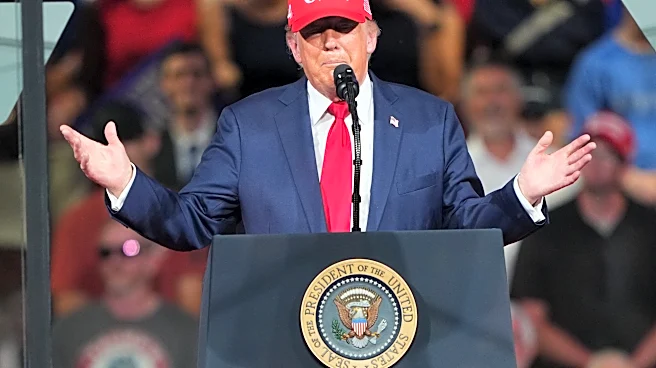
Democratic Congressman Jimmy Panetta, alongside several colleagues, has introduced the BAD DEAL Act in response to the White House's decision to impose $20 billion in tariffs on Canadian goods. The proposed legislation aims to repeal a section of a 96-year-old
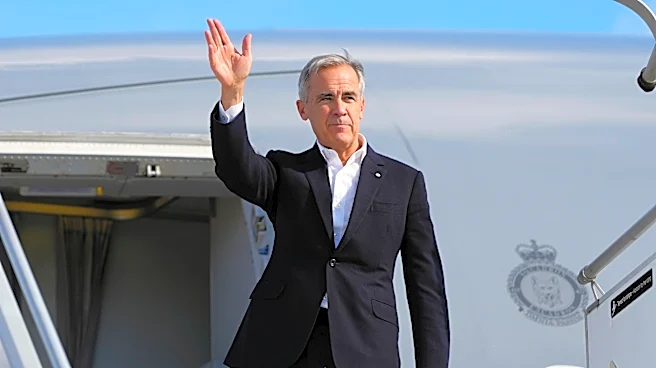
bill that the Trump Administration utilized to unilaterally levy these tariffs. Furthermore, the BAD DEAL Act seeks to refund all duties that have been paid under this authority to date. Congressman Panetta emphasized that these tariffs are causing significant economic damage to American citizens, small businesses, and the broader U.S. economy, effectively acting as taxes imposed on consumers. The latest tariffs took effect recently, prompting Canada to implement its own retaliatory levies.
Why It's Important?
This legislative action is important because it directly challenges the executive branch's authority to unilaterally impose tariffs and highlights the economic repercussions of such trade policies. The tariffs on Canadian goods, and Canada's subsequent retaliatory measures, signify an escalating trade dispute that impacts various sectors of the U.S. economy. Small businesses and consumers are particularly affected, as the tariffs translate into higher costs for imported goods. The introduction of the BAD DEAL Act underscores a congressional effort to reassert its role in trade policy, aiming to mitigate the negative economic consequences of these tariffs and potentially influence future trade decisions. The debate over these tariffs also reflects broader tensions regarding international trade relations and the balance of power between the executive and legislative branches in setting economic policy.
What's Next?
Congressman Panetta acknowledges that the BAD DEAL Act faces an uphill battle for a vote under Republican Speaker Mike Johnson, despite his belief in its bipartisan appeal. However, the introduction of the bill serves as a formal challenge to the Trump Administration's tariff policy and could spark further debate within Congress regarding trade authority. The ongoing trade dispute with Canada, marked by reciprocal tariffs, is likely to continue impacting cross-border commerce and consumer prices. Stakeholders, including U.S. businesses and consumers, will be closely watching for any legislative progress or shifts in trade policy that could alleviate the economic pressures caused by these tariffs. The bill's fate will depend on its ability to garner sufficient bipartisan support and overcome potential political obstacles in the current legislative environment.
Beyond the Headlines
The introduction of the BAD DEAL Act delves into the fundamental constitutional question of congressional versus executive authority in setting trade policy. The 96-year-old bill cited by the Trump Administration for imposing tariffs raises questions about the relevance and interpretation of historical legislation in modern trade contexts. This legislative challenge could set a precedent for future debates on presidential powers in economic matters, potentially leading to a re-evaluation of how trade agreements and tariffs are enacted. Beyond the immediate economic impact, the dispute with Canada and the congressional response highlight the intricate balance between national economic interests, international relations, and the internal checks and balances of the U.S. government. It also underscores the ethical considerations of trade policies that disproportionately affect consumers and small businesses.