




What's Happening?
Gordon Mining has finalized an agreement to acquire 100% of TT Minerals, which holds the Tungsten Tail Project in Sierra County’s Tierra Blanca mining district in New Mexico, U.S. The acquisition encompasses 41 contiguous unpatented lode mining claims,
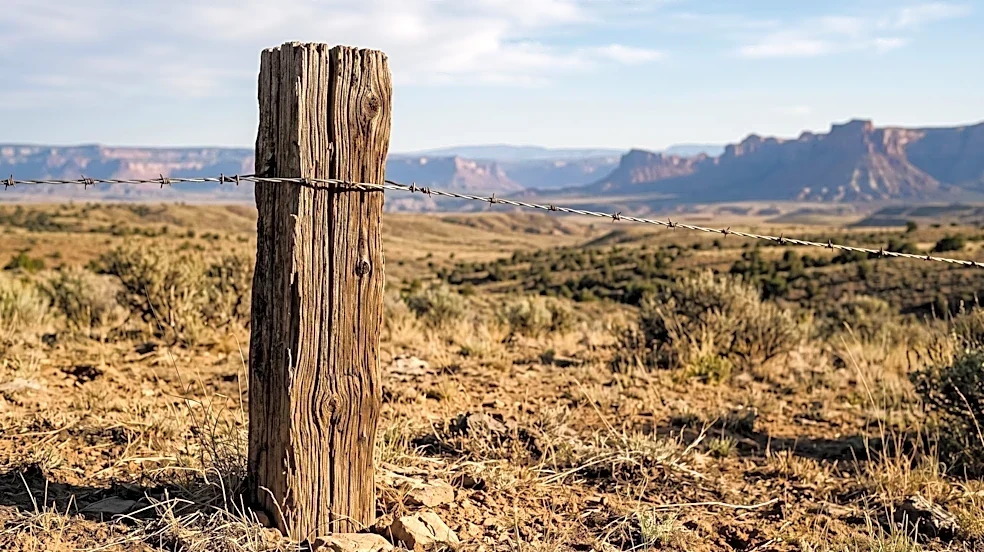
covering approximately 847 acres. The Tungsten Tail Project, previously known as the Silver Tail mine, is situated on the east side of the Black Range, near Kingston and Hillsboro. Historical records indicate that the mine shipped limited quantities of scheelite-bearing ore in 1942 and 1955, with owner-reported grades of around 3–4% tungsten trioxide. The U.S. Geological Survey (USGS) identified a tungsten-molybdenum anomaly in the area in 1978 and conducted an airborne magnetic and radiometric survey in 2023. Gordon Mining plans to interpret this public data and deploy a geological team for mapping and sampling in preparation for future drilling activities.
Why It's Important?
This acquisition is significant for the U.S. critical minerals sector, as it aims to strengthen domestic supply chains for tungsten, a vital mineral used in defense, aerospace, and advanced technologies. The U.S. has been actively seeking to reduce its reliance on foreign sources for critical minerals, and projects like Tungsten Tail contribute to this strategic goal. The historical data, including past production and USGS surveys, suggests a promising exploration target, potentially leading to a new domestic source of tungsten. The development of such projects can create jobs, stimulate local economies in New Mexico, and enhance national security by ensuring a more stable supply of essential materials. Gordon Mining's commitment to advancing this past-producing asset aligns with broader U.S. efforts to foster critical mineral independence and support growing industrial demand.
What's Next?
Gordon Mining's immediate next steps involve interpreting the public data from the 2023 USGS airborne survey and deploying a geological team to the Tungsten Tail Project for mapping and sampling. This preparatory work will inform future drilling programs, which are crucial for defining the resource and assessing its economic viability. The company will also need to navigate regulatory processes, as the claims are administered by the U.S. Forest Service. If exploration proves successful, the project could move towards resource definition, metallurgical testing, and potentially seek government grant funding, similar to other critical mineral initiatives in the U.S. The long-term goal is to advance the project towards production, contributing to the domestic supply of tungsten and supporting U.S. industrial and defense needs.
Beyond the Headlines
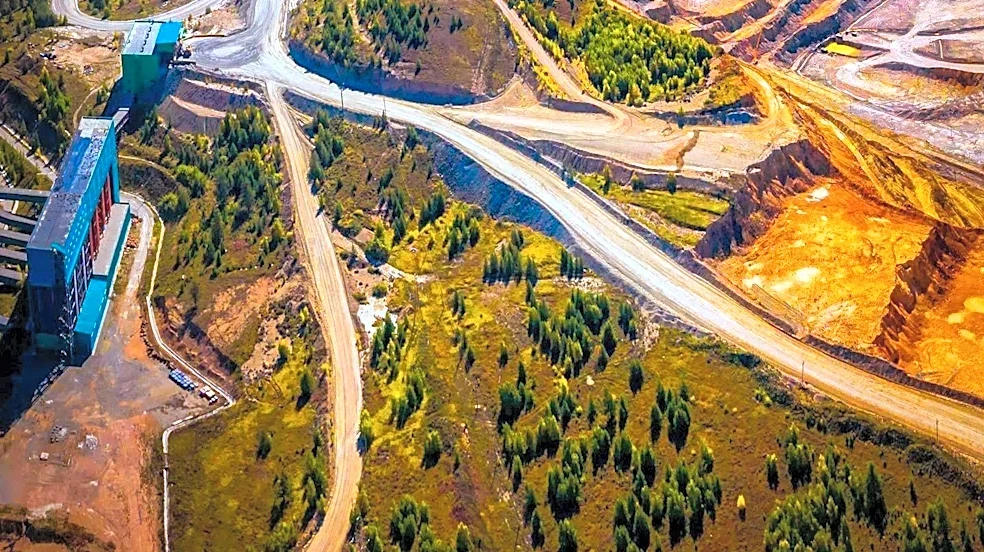
The acquisition of the Tungsten Tail Project underscores a broader trend of renewed interest in historical mining sites within the U.S., driven by the strategic importance of critical minerals. Many of these sites have untapped potential that modern exploration techniques and higher commodity prices can unlock. This development also highlights the role of government agencies like the USGS in providing foundational data that can de-risk exploration for private companies. However, it also brings into focus the environmental legacy of past mining operations and the need for responsible and sustainable practices in new ventures. The balance between extracting vital resources and preserving natural landscapes will be a continuous challenge, requiring careful planning and community engagement to ensure long-term benefits without undue environmental harm.