


What's Happening?
Florida residents are being advised to avoid three common mistakes when preparing for hurricanes, even during a potentially quiet season. The first mistake is waiting for a storm to be directly threatening Florida before initiating preparations. Emergency
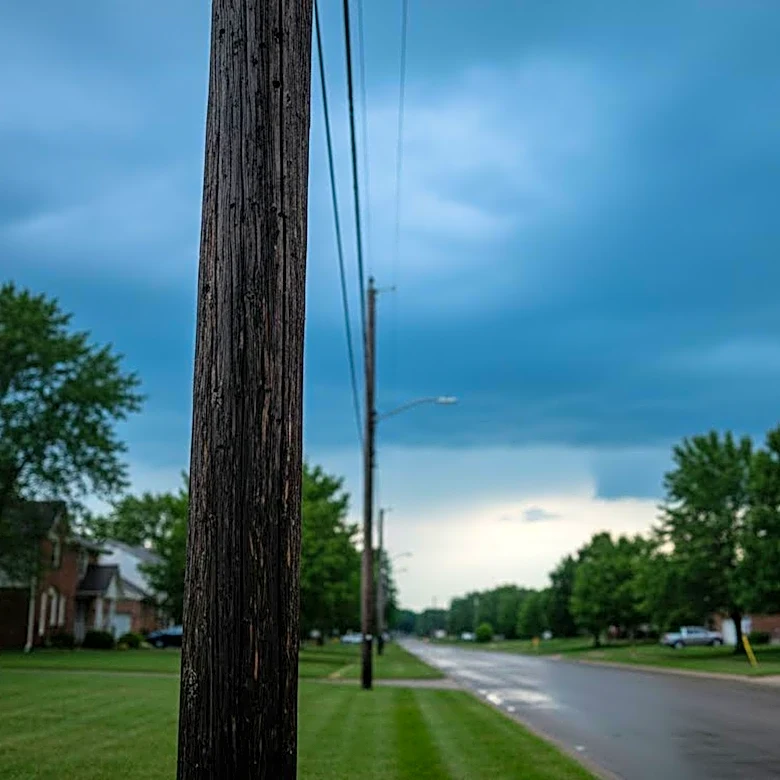
managers and meteorologists emphasize that preparations, such as building an emergency kit and knowing evacuation zones, should be completed well in advance of any storm advisories. The second mistake is focusing solely on wind speeds and neglecting the significant flood risks associated with hurricanes. The National Hurricane Center highlights that water hazards, including storm surge and inland flooding, are historically the leading causes of fatalities during hurricanes. The third error is failing to plan for extended periods without electricity, which can lead to challenges with air conditioning, refrigeration, and access to essential services like ATMs and fully stocked stores. Power outages can also pose health risks, especially for vulnerable populations, due to extreme heat.
Why It's Important?
These preparation oversights are critical because they directly impact the safety and well-being of Florida's population, a state highly susceptible to hurricane impacts. Underestimating the need for early preparation can lead to strained supply chains, empty shelves, and fuel shortages as residents rush to stock up last minute. Ignoring flood risks, which account for over 80% of direct fatalities from Atlantic tropical cyclones between 1963 and 2023, can result in severe property damage and loss of life. Furthermore, inadequate planning for power outages can turn a weather event into a public health crisis, particularly for the elderly, those with medical conditions, and young children, as extreme heat is a leading cause of weather-related deaths in the U.S. Proactive and comprehensive preparation is essential to mitigate these risks and ensure community resilience.
What's Next?
To address these issues, residents are encouraged to take immediate action. This includes identifying evacuation zones and flood risks, assembling emergency hurricane kits with at least seven days of medications, and maintaining a full gas tank throughout hurricane season. It is also recommended to store insurance policy numbers digitally and inspect homes for potential hazards like loose tree limbs. Regarding flood risks, residents should photograph every room for insurance claims, secure important documents in waterproof containers, and verify flood insurance coverage. For power outages, advice includes keeping backup batteries and phones charged, downloading local emergency management apps, having cash on hand, and making plans for pets and medically vulnerable family members. The Department of Education will continue to monitor conditions and coordinate with emergency management officials, providing updates through official channels.
Beyond the Headlines
The recurring nature of these preparation mistakes points to a deeper societal challenge in risk perception and long-term planning, even in areas with frequent exposure to natural disasters. The 'it only takes one' hurricane mentality, often reiterated by forecasters, underscores the psychological tendency to become complacent during predicted 'quiet' seasons. This complacency can lead to a false sense of security, hindering proactive measures. The emphasis on water-related fatalities also highlights a critical disconnect between public perception, which often focuses on wind, and the actual primary dangers of hurricanes. Addressing these ingrained behaviors requires continuous public education campaigns that not only inform but also motivate sustained preparedness efforts, fostering a culture of resilience rather than reactive crisis management.