





What's Happening?
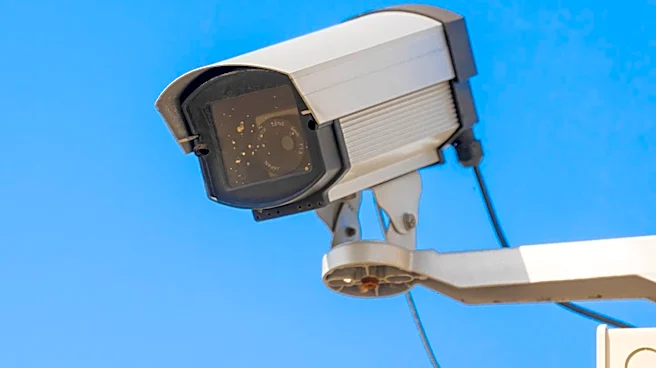
A bipartisan coalition of Ohio lawmakers has formally requested that the Ohio Department of Transportation (ODOT) halt the issuance of new permits for Flock automatic license plate readers and other AI-activated cameras. The letter, signed by Representatives
Tristan Rader (D-Lakewood), Darnell Brewer (D-Cleveland), Levi Dean (R-Xenia), and Justin Pizzulli (R-Scioto Cty.), specifically asks ODOT to stop allowing new installations of this technology within the state’s rights-of-way, primarily along highways. Additionally, the lawmakers urged ODOT to review existing applications for license plate readers. Representative Rader emphasized that these cameras should not enable widespread tracking of individuals, especially those who have not committed any crimes, advocating for strong safeguards to protect privacy and safety. The letter argues that the continued expansion of AI-activated cameras and their data collection effectively creates a statewide tracking system without adequate regulations, stating that the state should not facilitate this surveillance infrastructure until protections are in place. ODOT spokesman Matt Bruning confirmed receipt of the letter and stated the agency is reviewing it.
Why It's Important?
This initiative by Ohio lawmakers highlights a growing concern across the U.S. regarding privacy rights versus public safety in the context of advanced surveillance technology. The deployment of automatic license plate readers and AI-activated cameras, while often justified for crime prevention and law enforcement, raises significant questions about the extent of government surveillance and its potential impact on civil liberties. The bipartisan nature of this request underscores that these concerns transcend typical political divides, indicating a broad recognition of the need for legislative oversight. If ODOT accedes to the request, it could set a precedent for other state agencies and municipalities in Ohio, potentially leading to a more regulated approach to surveillance technology. Conversely, if the expansion continues unchecked, it could lead to a 'statewide tracking system' as described by the lawmakers, fundamentally altering the balance between individual privacy and state power. This debate is crucial for defining the future of digital privacy in public spaces.
What's Next?
Following the submission of the letter, the Ohio Department of Transportation is currently reviewing the request from the bipartisan group of lawmakers. While some Ohio lawmakers are actively working on legislation to address Flock and similar AI-activated cameras, the state legislature is not expected to reconvene until after the November election. This timeline suggests that any formal legislative action to regulate these cameras will likely be delayed. In the interim, the decision rests with ODOT regarding the issuance of new permits and the review of existing ones. The outcome of ODOT's review could influence the urgency and direction of future legislative efforts. Stakeholders, including privacy advocates, law enforcement agencies, and technology providers, will be closely watching ODOT's response and the subsequent legislative discussions to understand the future landscape of surveillance technology in Ohio.
Beyond the Headlines
The debate over Flock cameras and AI-activated surveillance extends beyond immediate privacy concerns to deeper ethical and societal implications. The widespread deployment of such technology could lead to a 'chilling effect' on public assembly and free speech, as individuals may feel constantly monitored. There are also concerns about data security and the potential for misuse of collected information, including racial profiling or targeting of specific communities. The development of a comprehensive regulatory framework is essential to balance legitimate public safety needs with fundamental rights. This includes establishing clear guidelines on data retention, access, and usage, as well as independent oversight mechanisms. The long-term societal impact could involve a redefinition of public space, where anonymity becomes increasingly rare, potentially altering social interactions and civic engagement. This situation underscores the ongoing challenge of integrating rapidly advancing technology into democratic societies while upholding core values.