




What's Happening?
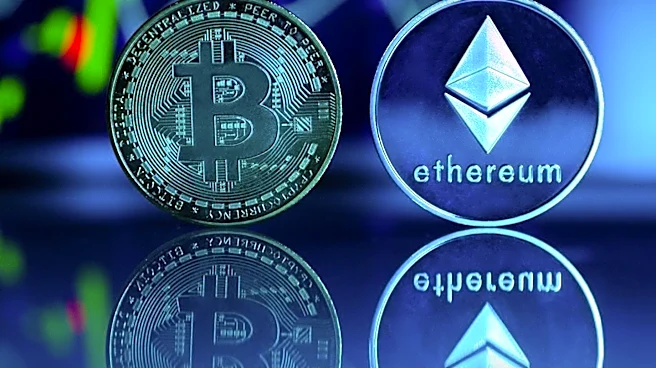
El Salvador has introduced a 'Freedom Passport' program, offering citizenship in exchange for a nonrefundable contribution of $1 million. This program specifically accepts payments through approved Bitcoin or USDT arrangements. The initiative is designed
for high-budget applicants who have a genuine interest in the country and a residence plan compatible with its naturalized-citizen rules. Article 94 of El Salvador’s Constitution outlines obligations for naturalized citizens, including potential loss of nationality if absent from the country for more than two consecutive years (in the country of origin) or more than five consecutive years (from El Salvador) without relevant permission. This highlights the need for applicants to have a considered plan for residency after naturalization. The program is presented as a substantial commitment, emphasizing that the choice should be based on a genuine reason to select El Salvador, such as spending time there, building relationships, or integrating it into a family's future.
Why It's Important?
This program is significant as it represents El Salvador's innovative approach to attracting foreign investment and talent, particularly by embracing cryptocurrency for citizenship by investment. The high financial threshold of $1 million positions it as one of the more exclusive citizenship programs globally, targeting ultra-high-net-worth individuals. For the U.S., this could have implications for individuals seeking alternative citizenships, potentially influencing decisions related to international tax planning, asset protection, and global mobility. The acceptance of Bitcoin and USDT also underscores the growing mainstream adoption of digital assets in official government programs, setting a precedent that other nations might consider. However, the stringent naturalized-citizen obligations, particularly regarding residency, mean that this is not merely a passport of convenience but requires a genuine commitment to El Salvador, which could deter some potential applicants who prioritize flexibility over physical presence.
What's Next?
Prospective applicants will need to carefully review the program's requirements, especially concerning the naturalized-citizen obligations and the implications of digital asset payments. Legal counsel will be crucial to understand how Article 94 of El Salvador’s Constitution applies to individual circumstances, particularly for those who anticipate returning to their country of origin for extended periods. The program's success could lead to other nations exploring similar cryptocurrency-based citizenship initiatives, potentially creating a new niche in the global citizenship by investment market. El Salvador will likely monitor the influx of investments and new citizens, potentially adjusting the program's terms based on its economic and social impacts. The integration of digital assets into such a high-stakes program will also be watched closely by financial regulators and cryptocurrency advocates worldwide.
Beyond the Headlines
The El Salvador Freedom Passport program transcends a simple investment scheme by intertwining national identity with digital finance. The requirement for a substantial commitment and a genuine interest in the country, coupled with the residency obligations, suggests an attempt to attract individuals who will actively contribute to El Salvador's society and economy, rather than merely seeking a second passport. This initiative also raises ethical considerations regarding the commodification of citizenship and the potential for wealth to bypass traditional immigration pathways. The use of Bitcoin and USDT for payment highlights El Salvador's broader strategy to position itself as a leader in digital currency adoption, potentially influencing its economic sovereignty and global financial standing. This move could also spark debates about the security and transparency of such transactions, as well as the long-term stability of a citizenship program tied to volatile digital assets.