





What's Happening?
A series of nationwide food recalls has been initiated due to various contamination concerns, including E. coli, Listeria, and Salmonella, as well as the discovery of a foreign object in one product. G.L. Mezzetta Inc. recalled 32-ounce jars of Mezzetta Golden
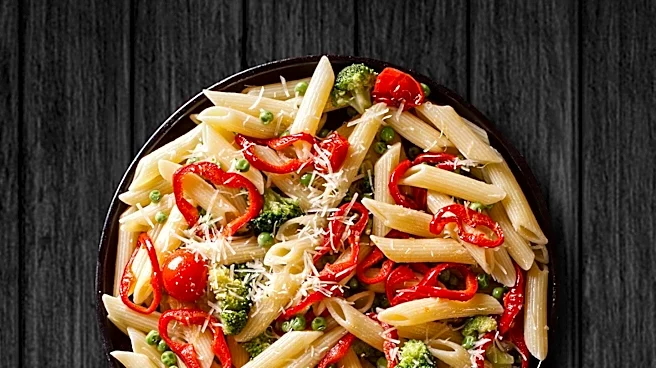
Greek Peperoncini after a social media video allegedly showed a dead mouse inside a jar. Bettergoods Authentic Italian Lemon Alfredo Fettuccine, sold at Walmart, has been fully recalled nationwide by Gias Foods Inc. due to potential Listeria contamination. Sierra Nevada Cheese Company recalled all its Graziers raw milk cheeses across the country following a link to a multistate E. coli outbreak that has sickened 13 individuals. Additionally, Frutas y Hortalizas del Sur S.A. expanded its recall of frozen organic berries, including Great Value and Trader Joe’s brands, due to potential E. coli O145 contamination. Salata Dressings LLC also recalled its Jalapeño Avocado Dressing due to a connection with a broader Salmonella outbreak linked to imported jalapeños. Consumers are advised not to consume these products and to return them for refunds or discard them.
Why It's Important?
These widespread food recalls highlight significant public health risks and the critical importance of food safety regulations and monitoring. The presence of harmful bacteria like E. coli, Listeria, and Salmonella can lead to severe illnesses, hospitalizations, and even death, particularly among vulnerable populations such as young children, older adults, pregnant individuals, and those with compromised immune systems. The recalls also underscore potential vulnerabilities in the food supply chain, from production and processing to distribution, affecting consumer trust and the reputation of implicated brands and retailers. The economic impact can be substantial for companies facing recalls, including costs associated with product retrieval, disposal, potential lawsuits, and loss of consumer confidence. Furthermore, the recalls demonstrate the effectiveness of regulatory bodies like the FDA in identifying and addressing food safety threats, often prompted by routine testing, consumer complaints, or outbreak investigations.
What's Next?
Federal regulators and the implicated companies will continue their investigations to pinpoint the exact sources of contamination for each recalled product. This includes reviewing production, sanitation, and food-safety records, as well as conducting further testing. Consumers who have purchased any of the recalled items are urged to follow instructions for disposal or return to prevent further illnesses. Retailers and distributors are expected to ensure all affected products are removed from shelves. Public health agencies will monitor for any new reported illnesses linked to these products and provide updates as investigations progress. Companies involved may face increased scrutiny and potentially implement enhanced safety protocols to prevent future incidents, which could lead to changes in sourcing, processing, or quality control measures across the food industry.
Beyond the Headlines
The recurring nature of large-scale food recalls points to systemic challenges within the food industry, including the complexities of global supply chains and the constant battle against microbial contamination. The incident involving a foreign object in a jar of peppers also raises questions about quality control and manufacturing oversight. These events can trigger broader discussions about consumer protection laws, the efficacy of current food safety standards, and the need for more robust preventative measures. The reliance on social media to bring potential issues to light, as seen with the peperoncini recall, also highlights the evolving role of public vigilance and digital platforms in food safety. Long-term implications could include increased investment in advanced detection technologies, stricter supplier auditing, and greater transparency in food production processes to rebuild and maintain consumer trust.