




What's Happening?
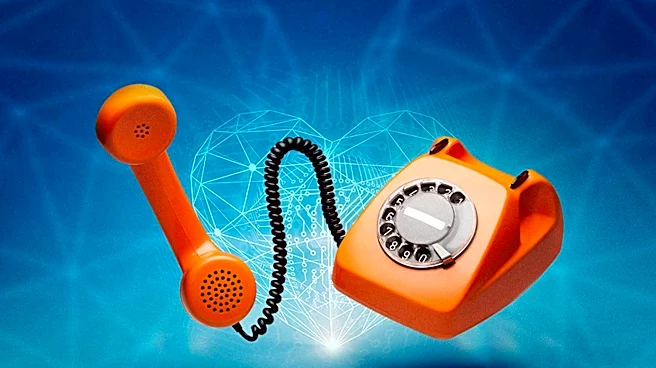
A new project by [fregacmols] demonstrates how to transform an antique rotary telephone into a functional cell phone. This innovative approach utilizes a subscriber-line interface module, which contains the necessary electronics to mimic a traditional
copper phone line. This module then connects to a Lilygo ESP32-S3 board, serving as the central processing unit, and a cellular modem. The design allows the rotary telephone to remain entirely unmodified, preserving its original aesthetic and functionality. The software developed for this project accurately simulates a North American subscriber line, providing authentic dial tones and ringing the phone's bell for incoming calls. Additionally, the system incorporates special codes for maintenance, such as opening a wireless network, and for diagnostic purposes. This development offers a novel way to repurpose vintage technology for modern communication needs.
Why It's Important?
This project is significant for several reasons, particularly in the context of technological innovation and sustainability. It showcases how older, seemingly obsolete devices can be given new life through creative engineering, promoting a circular economy approach to electronics. For enthusiasts of vintage technology, it provides a practical method to integrate classic devices into contemporary lifestyles without sacrificing their original charm. Furthermore, the project highlights the versatility of modern microcontrollers like the ESP32-S3 and cellular modems, demonstrating their potential in niche applications beyond conventional uses. This could inspire further projects in upcycling and custom electronics, fostering a community of makers who value both historical preservation and modern utility. The ability to use an unmodified rotary phone as a cell phone also offers a unique user experience, blending nostalgia with convenience.
What's Next?
The success of this project could pave the way for similar initiatives in repurposing other vintage communication devices. Future developments might include refining the software to support additional cellular network features, enhancing call quality, or integrating more advanced functionalities while maintaining the original device's integrity. The open-source nature of such projects often encourages community contributions, potentially leading to broader adoption and further innovations. It is conceivable that kits or detailed guides could become available, enabling more individuals to undertake similar conversions. This could also spark interest in educational settings, demonstrating practical applications of electronics and programming through engaging, hands-on projects. The concept might even inspire commercial ventures focused on retro-tech modernization.
Beyond the Headlines
Beyond its immediate technical achievement, this project touches upon broader cultural and psychological aspects. In an era dominated by sleek, touch-screen smartphones, the tactile experience of a rotary phone offers a refreshing contrast. It evokes a sense of nostalgia and simplicity, potentially appealing to those seeking a digital detox or a more deliberate form of communication. The project also subtly challenges the rapid obsolescence built into modern consumer electronics, suggesting that value can be found and created in older objects. Ethically, it promotes a more sustainable consumption model by encouraging reuse rather than constant replacement. Culturally, it bridges generations, allowing younger individuals to experience a piece of communication history while providing older generations with a familiar yet modernized tool. This blend of old and new can foster unique conversations about technological progress and societal change.