


What's Happening?
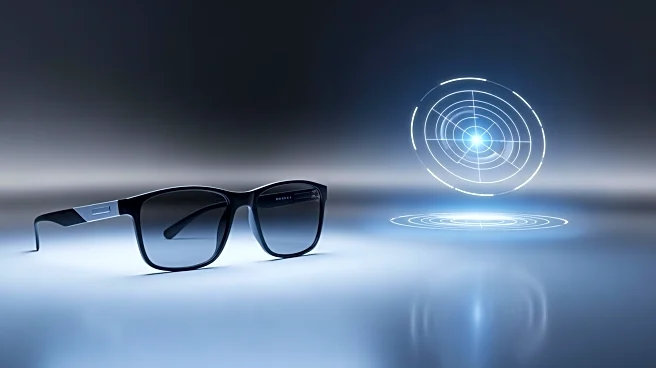
A new app called Nearby Glasses has been developed to alert users if someone nearby is wearing smart glasses, which often resemble regular glasses and can record without consent. The app scans for Bluetooth signals from devices like Meta and Snap wearables,
alerting users to potential surveillance. Yves Jeanrenaud, the app's developer, was motivated by the privacy concerns associated with smart glasses, particularly Meta's default face recognition feature. The app is currently available for Android, with potential expansion to iPhone based on demand and developer availability.
Why It's Important?
The introduction of Nearby Glasses highlights growing concerns over privacy and surveillance in the age of wearable technology. Smart glasses, with their ability to record discreetly, pose significant privacy risks, especially in public spaces. This app provides a tool for individuals to protect their privacy, reflecting broader societal unease with technology's invasive capabilities. As wearable tech becomes more prevalent, such tools may become essential for safeguarding personal privacy, influencing public policy and consumer behavior regarding tech usage.
What's Next?
The app's developer plans to continue adding features to the Android version and may develop an iPhone version if demand persists. As awareness of smart glasses' privacy implications grows, there could be increased pressure on manufacturers to address these concerns. Public discourse may lead to regulatory scrutiny or changes in how wearable tech is marketed and used. Users might adopt proactive measures to protect their privacy, potentially influencing tech companies to prioritize privacy in future designs.
Beyond the Headlines
The development of Nearby Glasses underscores a broader ethical debate about technology's role in society. As wearable devices become more integrated into daily life, the balance between innovation and privacy becomes crucial. This app represents a form of 'techsolutionism,' where technology is used to counteract its own negative impacts. It raises questions about consent and the ethical use of technology, potentially prompting discussions on legal frameworks to protect individuals from unauthorized surveillance.