




What's Happening?
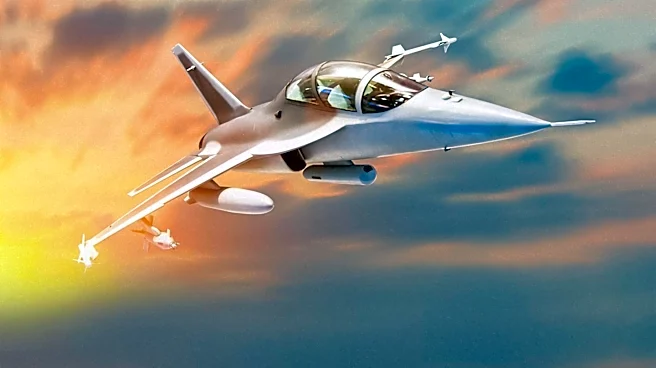
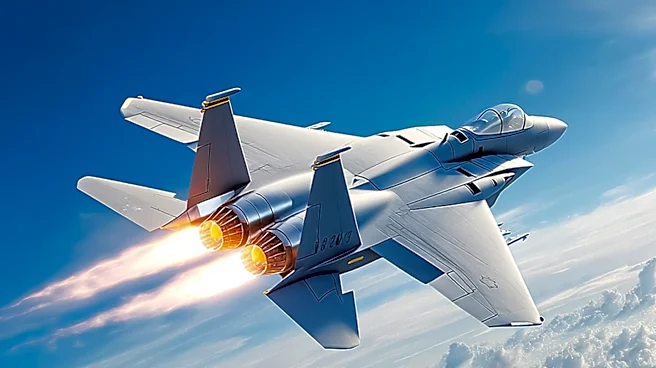
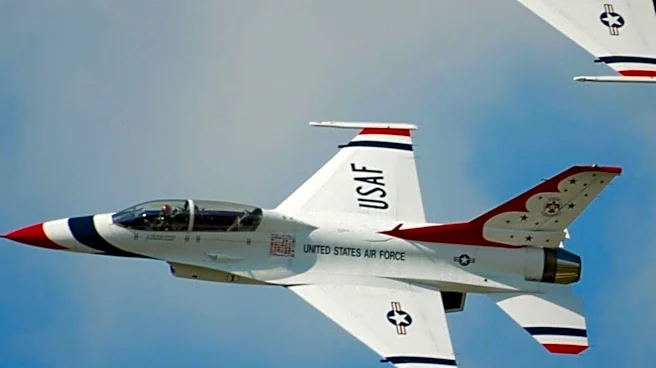
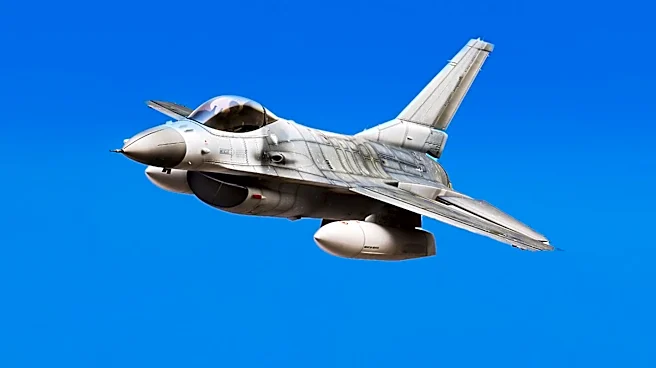
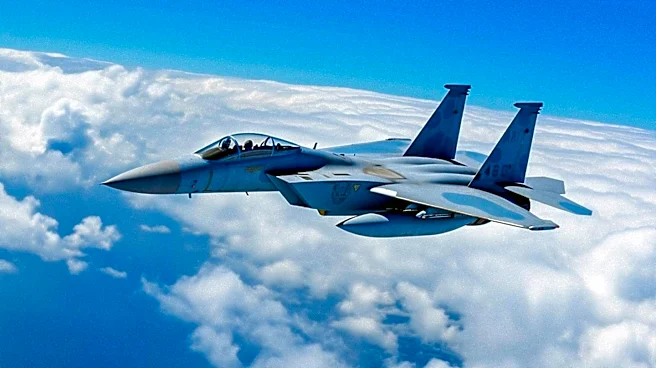
Turkey is set to deploy five F-16 fighter jets and 76 military personnel to Ämari Air Base in Estonia as part of NATO's Baltic Air Policing mission. This deployment, scheduled from August to November, will replace the Portuguese contingent currently stationed
there. The Turkish contingent, drawn from the 181st Jet Squadron, will maintain round-the-clock Quick Reaction Alert duties to handle potential airspace violations in the Baltic region. This mission is part of NATO's ongoing efforts to safeguard the airspace of Estonia, Latvia, and Lithuania, which do not operate their own fighter aviation units. The deployment is conducted under the Baltic Air Policing framework, which has been in place since 2004 following the accession of the Baltic states to NATO.
Why It's Important?
The deployment of Turkish F-16s to Estonia underscores NATO's commitment to maintaining air security in the Baltic region, a strategic area bordering Russia. This move is part of a broader effort to enhance NATO's defensive posture on its eastern flank amid ongoing tensions with Russia. The presence of NATO aircraft in the region serves as a deterrent against potential airspace violations and reinforces the alliance's collective defense strategy. Turkey's participation in the mission highlights its role as a key NATO ally and its contribution to regional security. The deployment also reflects the alliance's adaptability in responding to evolving security challenges and its ability to coordinate multinational defense efforts.
What's Next?
As Turkey assumes its role in the Baltic Air Policing mission, NATO will continue to monitor the security situation in the region closely. The alliance may consider further deployments or adjustments to its air defense strategy based on emerging threats or geopolitical developments. The ongoing presence of NATO forces in the Baltic states is likely to remain a critical component of the alliance's deterrence strategy. Additionally, NATO may explore opportunities to enhance its air defense capabilities through technological advancements and increased collaboration among member states. The situation will be closely watched by regional and global stakeholders, including Russia, which may respond with its own military maneuvers or diplomatic actions.