







What's Happening?
Major central banks, including the Federal Reserve, have left interest rates unchanged this week but have signaled potential rate hikes in the near future. This decision comes as a response to rising energy prices due to the U.S.-Israeli conflict with
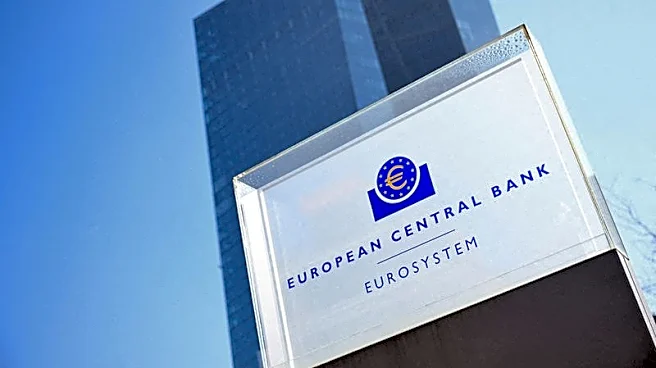
Iran, which could lead to broader inflation. The Federal Reserve maintained its rates, with some policymakers questioning the appropriateness of an 'easing bias' in the policy statement. Similarly, the European Central Bank and the Bank of Japan have hinted at possible rate increases in upcoming meetings to address inflationary pressures.
Why It's Important?
The potential for rate hikes by major central banks is crucial as it reflects their efforts to manage inflation and stabilize economies amidst geopolitical tensions. Rising energy prices can lead to increased costs for businesses and consumers, impacting economic growth. By signaling possible rate hikes, central banks aim to curb inflation and maintain economic stability. This approach affects global financial markets, influencing investor decisions and economic forecasts. Stakeholders, including businesses and consumers, must prepare for potential changes in borrowing costs and economic conditions.
What's Next?
Central banks are expected to closely monitor economic indicators and geopolitical developments to determine the timing and extent of any rate hikes. The Federal Reserve and other central banks may adjust their policies based on inflation trends and economic growth forecasts. Stakeholders will be watching for any announcements or changes in monetary policy, as these could have significant implications for financial markets and economic stability.