





What's Happening?
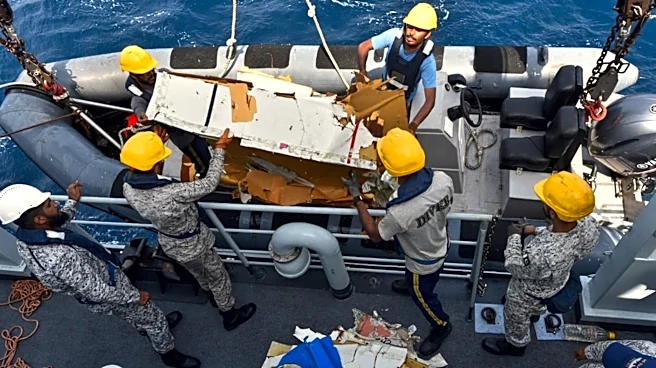
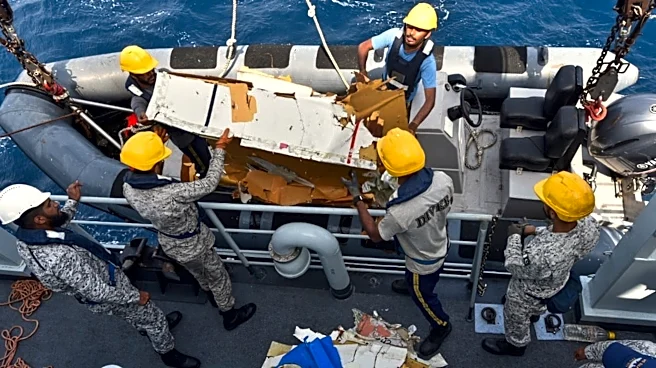
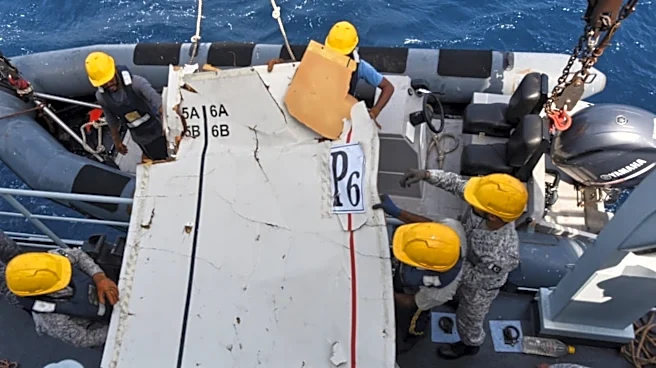
The wreckage of a Boeing 737 cargo plane operated by K2 Airways has been located in the Arabian Sea, 53 nautical miles south of Ormara, Pakistan, after it disappeared from radar during a flight from Sharjah, UAE, to Karachi, Pakistan. The plane, carrying
five crew members, experienced a rapid descent and lost contact with air traffic control. Pakistani authorities conducted a 12-hour search before finding the wreckage. The crew had reported a navigational system issue shortly before the crash. The cause of the crash remains under investigation, with potential factors including flight-control faults, cargo misload, or human error.
Why It's Important?
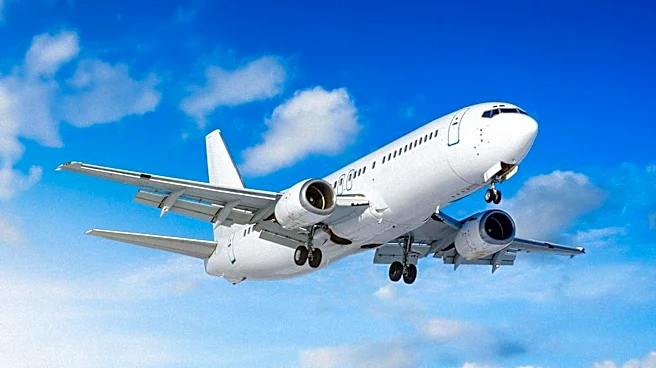
This incident highlights ongoing concerns about aviation safety, particularly in regions with a history of air accidents. The crash could prompt scrutiny of K2 Airways' operational practices and Pakistan's aviation safety standards. It also underscores the challenges of maintaining older aircraft, as the Boeing 737 involved was not a Max variant but had been in service since 1999. The crash may impact public confidence in air travel safety and could lead to regulatory reviews or changes in aviation policies. The incident also draws attention to the importance of robust maintenance and safety protocols in preventing such tragedies.
What's Next?
Investigators will analyze the recovered wreckage and black boxes to determine the cause of the crash. This process may take time, as crashes at sea present unique challenges in recovering and analyzing evidence. The findings could lead to recommendations for improving safety standards and practices within the airline and potentially across the industry. K2 Airways and Pakistani aviation authorities are likely to face increased scrutiny and pressure to enhance safety measures. The incident may also influence international aviation regulations and oversight, particularly concerning older aircraft and their operational safety.