







What's Happening?
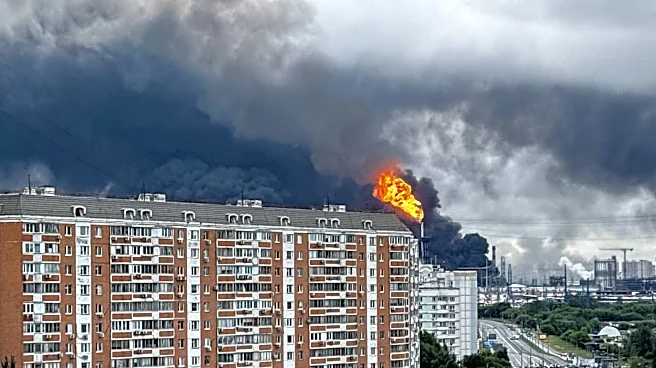
Russian authorities in Siberia are advising businesses to adopt remote work and limit energy consumption due to a worsening fuel crisis. The crisis, exacerbated by recent drone attacks on an oil refinery in Omsk, has led to fuel shortages across the country.
In response, regions like Tomsk and Novosibirsk have issued decrees encouraging remote work and reduced use of private vehicles. The situation has resulted in long queues at gas stations and the implementation of an odd-even system for gasoline sales in some areas.
Why It's Important?
The fuel crisis in Russia highlights the vulnerability of energy infrastructure to geopolitical tensions and conflicts, such as the ongoing war in Ukraine. The disruption in fuel supply affects not only the economy but also the daily lives of citizens, as they face restrictions on travel and increased energy costs. This situation underscores the need for energy diversification and resilience planning. The crisis also has potential implications for global energy markets, as Russia is a major oil producer.
What's Next?
As the fuel crisis continues, Russian authorities may need to explore alternative energy sources and strategies to stabilize the situation. The government might also engage in diplomatic efforts to address the underlying geopolitical tensions contributing to the crisis. Additionally, there could be increased pressure on international energy markets, potentially affecting global oil prices and supply chains.
Beyond the Headlines
The fuel crisis in Russia raises questions about the long-term sustainability of fossil fuel dependence and the need for a transition to renewable energy sources. It also highlights the interconnectedness of global energy markets and the potential for regional conflicts to have far-reaching impacts. The situation may prompt discussions on energy security and the role of international cooperation in addressing such challenges.