








What's Happening?
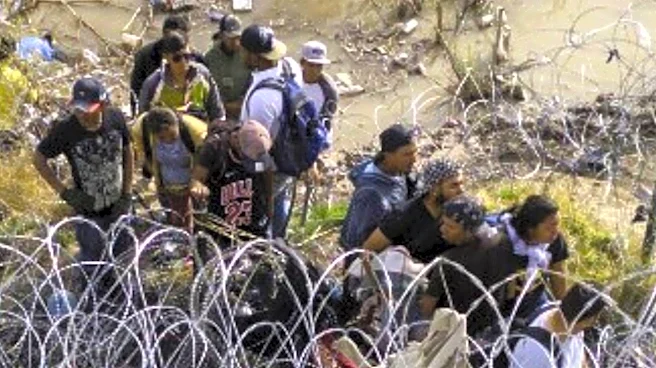
A lawsuit has been filed against the Trump administration, accusing it of illegally sharing confidential information about Iranian asylum seekers with the Iranian government. The lawsuit claims that U.S. immigration agencies violated national immigration regulations,
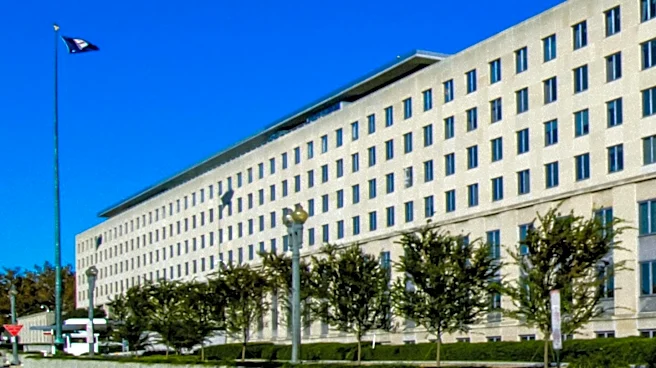
potentially endangering the lives of many Iranians. The allegations suggest a coordinated effort between the U.S. and Iranian governments to identify and pressure detained Iranians to return to Iran. This marks a significant shift from the historical diplomatic hostility between the two nations. The lawsuit, filed in the U.S. District Court in Washington, D.C., seeks to halt the sharing of such information and appoint an independent monitor to prevent future disclosures. The complaint names several defendants, including the Department of Homeland Security and the State Department, which have not commented on the matter.
Why It's Important?
The lawsuit highlights significant concerns about the protection of asylum seekers' confidential information, which is crucial for their safety. If the allegations are true, the actions of the Trump administration could have put many Iranian asylum seekers at risk, especially given the ongoing conflict between the U.S. and Iran. This case underscores the importance of adhering to federal regulations designed to protect vulnerable individuals seeking refuge. The outcome of this lawsuit could have broader implications for U.S. immigration policy and the treatment of asylum seekers, potentially influencing future administrations' handling of similar cases.
What's Next?
The lawsuit is expected to proceed through the legal system, with potential implications for U.S. immigration policy and international relations. If the court rules in favor of the plaintiffs, it could lead to changes in how the U.S. handles asylum seekers' information, particularly in cases involving countries with strained diplomatic relations. The case may also prompt increased scrutiny of the Trump administration's immigration policies and practices, potentially influencing future legislative or executive actions to strengthen protections for asylum seekers.