





What's Happening?
Lt. Gov. Sylvia Luke of Hawaii has been indicted by an Oʻahu grand jury on charges of criminal conspiracy to commit bribery, bribery, and falsifying candidate committee reports. This indictment is part of a broader investigation by Hawaii's Attorney General
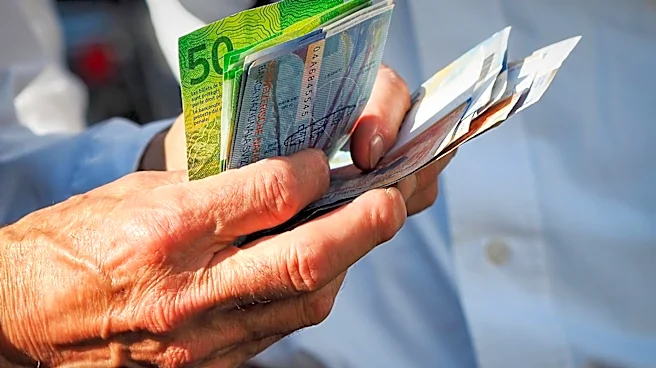
into corruption within the state legislature. Alongside Luke, four other individuals have been indicted, including former State Rep. Ryan Yamane, Ford Fuchigami, Leo Asuncion Jr., and lobbyist Tobi Solidum. The charges stem from an incident in January 2022, where an influential state legislator allegedly accepted $35,000 in a paper bag. Luke, who has denied taking the money, went on indefinite leave in April after being identified as a target in the investigation. Bail has been set at $80,000 for Luke, Fuchigami, and Asuncion, while Yamane's bail is set at $150,000. Solidum remains absent from the state, and no bail has been set for him.
Why It's Important?
The indictment of Lt. Gov. Sylvia Luke and others highlights ongoing concerns about corruption within Hawaii's political system. This case underscores the challenges of maintaining transparency and accountability in government, particularly in managing campaign finances and lobbying activities. The charges against these high-profile figures could lead to significant political repercussions, potentially affecting public trust in elected officials and the integrity of the state's legislative processes. The outcome of this case may influence future legislative reforms aimed at reducing corruption and increasing oversight in political campaigns and government operations.
What's Next?
As the legal proceedings unfold, there may be calls for Lt. Gov. Sylvia Luke to resign to allow the state to move forward without the cloud of these allegations. The case will likely prompt discussions among Hawaii's political leaders and the public about the need for stricter regulations and oversight to prevent similar incidents in the future. The investigation's findings could lead to legislative changes aimed at enhancing transparency and accountability in political campaigns and government operations. Additionally, the case may impact upcoming elections, as voters consider the implications of these charges on their trust in current and future candidates.