






What's Happening?
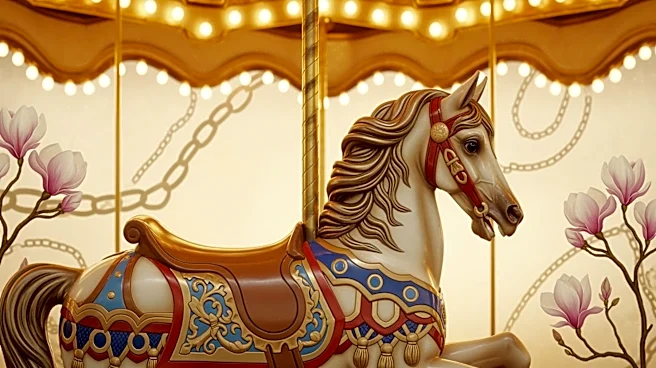
The Smithsonian Institution has reopened its historic carousel after nearly three years of restoration. Originally from Gwynn Oak Amusement Park, the carousel features 54 horses, a sea monster, a pig, and two chariots. The reopening ceremony highlighted
its historical significance as an emblem of the civil rights struggle. The carousel was first desegregated in the 1960s, and the first riders at the reopening were African American adults who had participated in its desegregation. The carousel, now located in front of the Smithsonian's Arts and Industries Building, serves as a monument to freedom and the pursuit of happiness.
Why It's Important?
The reopening of the Smithsonian carousel is significant as it symbolizes the progress made in civil rights and serves as a reminder of the struggles faced during the desegregation era. It highlights the importance of preserving historical artifacts that represent social change. The carousel's history is intertwined with the civil rights movement, making it a cultural and educational tool for future generations. Its presence on the National Mall, among other monuments of freedom, underscores the ongoing journey towards equality and justice in the United States.
What's Next?
The restored carousel is expected to attract visitors from across the country, providing an opportunity for education and reflection on the civil rights movement. The Smithsonian may continue to use the carousel as a platform for discussions and events related to civil rights and social justice. Additionally, the carousel's reopening could inspire other institutions to preserve and highlight historical artifacts that represent significant social changes.