





What's Happening?
Colonia del Sacramento, Uruguay, holds the distinction of being a UNESCO World Heritage Site, recognized for its Historic Quarter inscribed in 1995. This small, well-preserved colonial town, founded by Portugal in 1680, stands directly opposite Buenos
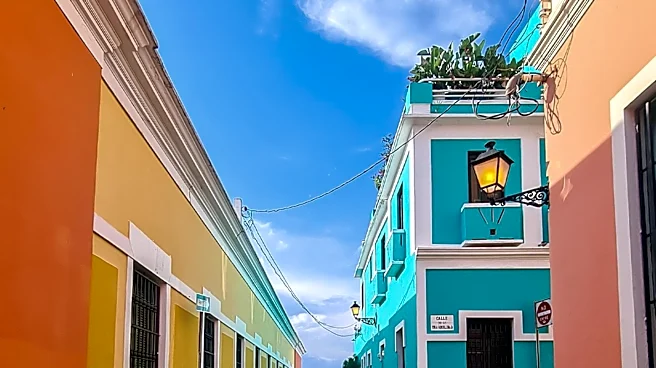
Aires on the Río de la Plata. Its unique historical complexity stems from being the most contested colonial settlement in South America for over a century, changing hands eight times between Portugal and Spain from 1680 to 1777. The city's architecture uniquely blends Portuguese and Spanish colonial traditions, featuring Portuguese cobblestone streets (calçada portuguesa), Baroque religious architecture, and Spanish colonial fortifications. This blend reflects its strategic importance as a smuggling port and a symbol of Portuguese territorial claims, making it a significant site for understanding the colonial history of the River Plate region.
Why It's Important?
Colonia del Sacramento's UNESCO status is crucial because it preserves a unique architectural and urban heritage that tells a compelling story of colonial rivalry and cultural fusion. The town's physical completeness and the distinct blend of Portuguese and Spanish styles offer invaluable insights into the historical dynamics of European expansion in South America. Its strategic location made it a focal point for trade and conflict, illustrating the economic and political motivations behind colonial endeavors. For Uruguay, Colonia del Sacramento is its sole UNESCO World Heritage Site, making it a significant national treasure and a key attraction for cultural tourism. The preservation of its distinct features, like the calçada portuguesa, also maintains traditional crafts and urban planning techniques that are rare in the Americas.
What's Next?
The ongoing preservation and management of Colonia del Sacramento's Historic Quarter will continue to focus on maintaining its unique Portuguese-Spanish architectural blend and its overall historical integrity. This includes the meticulous hand-repair of the calçada portuguesa cobblestones, a labor-intensive traditional craft. As a major tourist destination, efforts will likely continue to balance visitor experience with conservation needs, ensuring the site's authenticity is protected. Future initiatives might involve further research into its colonial past, educational programs for visitors, and continued international collaboration to support its preservation. The site will remain a vital educational resource for understanding the complex history of colonial South America.
Beyond the Headlines
Colonia del Sacramento's historical narrative extends beyond its architectural beauty; it embodies the broader geopolitical struggles of the colonial era. The repeated conquests and reconquests highlight the intense competition between European powers for control over trade routes and territories, shaping the modern political map of South America. The city's role as a smuggling port underscores the economic undercurrents of colonialism, where illicit trade often circumvented official monopolies. Culturally, the fusion of Portuguese and Spanish influences in its urban fabric serves as a tangible reminder of the diverse origins of Latin American identity. The site offers a powerful lesson in how historical conflicts can leave a lasting, visible legacy, making it a crucial point of reflection on the complexities of colonial heritage and its contemporary relevance.