





What's Happening?
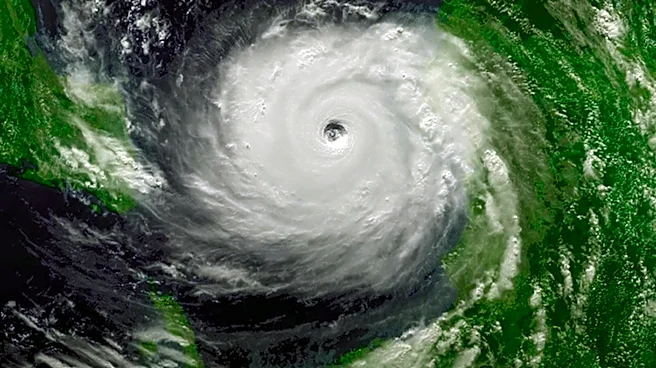
The Inter-American Development Bank (IDB) has facilitated a catastrophe swap for Belize, providing parametric insurance coverage for hurricane risk up to USD 20 million, with a maximum annual payout of USD 10 million. This initiative, backed by Swiss
Re, aims to transfer a portion of Belize's hurricane risk to international reinsurance markets. The coverage is effective from August 1, 2026, through May 31, 2028, ensuring rapid access to funds if the policy is triggered by a hurricane event. This parametric risk-transfer protection supplements existing financial mechanisms, including USD 25 million in contingent financing from the IDB's Contingent Credit Facility for Natural Disaster Emergencies (CCF) and USD 118 million in approved loans with Climate Resilient Debt Clauses (CRDC). The CRDC allows Belize to defer principal payments for two years following an eligible natural disaster. The transaction is supported by technical cooperation resources from the Ready and Resilient Americas Initiative, contributions from the French Climate Fund, and the government of Belize's premium contribution.
Why It's Important?
This catastrophe swap is a crucial step in strengthening Belize's financial resilience against natural disasters, particularly hurricanes. By providing quick access to emergency funds, it allows the country to respond more effectively and rapidly to the aftermath of major storms. This proactive financial planning helps mitigate the economic disruption and humanitarian impact that often follow such events. For the U.S., this initiative contributes to regional stability and reduces the potential need for international aid in the event of a severe hurricane in a neighboring country. The involvement of international reinsurance markets, like Swiss Re, highlights a growing trend in leveraging private sector solutions for climate risk management in vulnerable regions. This model could serve as a blueprint for other Caribbean and Central American nations facing similar climate-related threats, potentially fostering a more resilient regional economy that indirectly benefits U.S. trade and security interests.
What's Next?
Over the next two hurricane seasons, Belize will benefit from this parametric insurance, allowing for immediate financial relief should a qualifying hurricane occur. The IDB will continue its broader support for Belize's financial risk management strategy, which includes implementing innovative financial solutions for resilience. Other countries in Latin America and the Caribbean may explore similar catastrophe swaps or parametric insurance models, potentially with the IDB's assistance, to enhance their own disaster preparedness. The success of this program in Belize could lead to increased adoption of such financial instruments across the region, fostering greater collaboration between international development banks, governments, and the private reinsurance sector to address climate change impacts. Monitoring the effectiveness of this swap in Belize will be key to informing future initiatives and demonstrating the viability of such risk transfer mechanisms.
Beyond the Headlines
The catastrophe swap represents a significant evolution in how developing nations manage climate-related financial risks. Traditionally, post-disaster recovery has relied heavily on emergency aid and loans, which can be slow to disburse and contribute to national debt. Parametric insurance, by contrast, offers pre-defined payouts based on specific triggers (e.g., hurricane intensity or location), ensuring faster liquidity. This shift towards proactive, market-based risk financing not only improves immediate response capabilities but also promotes long-term fiscal stability. It underscores the ethical imperative for international financial institutions to develop innovative solutions that protect vulnerable populations from the escalating impacts of climate change. Furthermore, it highlights the growing recognition of climate risk as a systemic financial threat, prompting greater integration of climate resilience into national development strategies and international financial frameworks.