
What's Happening?
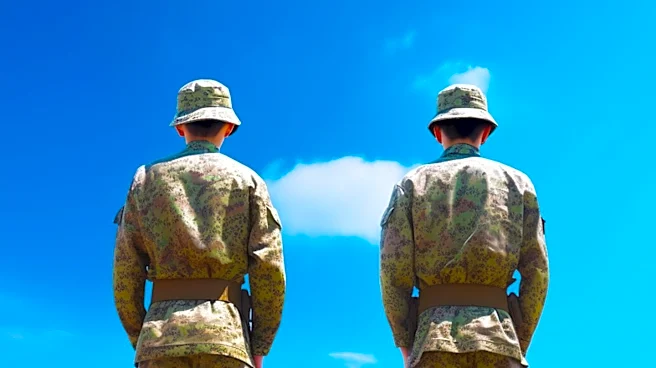
The Israeli military is grappling with a severe and escalating manpower crisis, marked by a shortage of approximately 12,000 soldiers, including 6,000 to 7,000 combatants. This deficit is compounded by a growing
exodus of career officers, particularly those in middle ranks crucial for field command and administration. In 2025 alone, 543 officers with the rank of major voluntarily left service, following similar trends in previous years. The military is also experiencing a decline in experienced personnel for command positions, leading to accelerated promotions for some officers to fill vacancies. Furthermore, the reserve forces, which have become a fundamental pillar of military operations, are facing significant strain. Reservists are experiencing exhaustion due to repeated and prolonged call-ups, with many serving between 80 and 100 days in 2026, far exceeding initial estimates. This extensive service is negatively impacting their economic and professional lives, with many forced to postpone career opportunities, studies, or take financial measures to cope.
Why It's Important?
This deepening manpower crisis poses a significant threat to the operational readiness and long-term sustainability of Israel's military power. The shortage of soldiers and combatants directly impacts the capacity to maintain forces across multiple operational fronts. The departure of experienced career officers leads to a loss of institutional knowledge and leadership capabilities, potentially compromising the effectiveness of military units. The reliance on accelerated promotions to fill command roles may result in less experienced officers leading critical operations. For reservists, the prolonged and frequent deployments are causing widespread exhaustion and financial hardship, which could diminish their willingness and ability to serve in the future. This situation creates a multi-layered challenge for the Israeli military establishment, extending beyond mere recruitment numbers to the fundamental ability to retain skilled personnel, provide adequate rest and training, and sustain its overall military strength.
What's Next?
The Israeli military establishment faces immediate challenges in addressing the troop shortfall and retaining experienced personnel. Efforts may include legislative changes to extend mandatory service periods or implement alternative solutions to prevent a further decline in personnel levels when recruits under reduced service periods begin to discharge in January 2027. The military will also need to devise strategies to retain career officers and provide more sustainable deployment schedules for reservists, potentially through increased recruitment or restructuring of duties. Failure to address these issues could lead to a continued decline in combat unit readiness and an increased burden on an already strained reserve system. The long-term implications could involve a reassessment of military strategy and operational capabilities if the manpower crisis persists.
Beyond the Headlines
The military manpower crisis in Israel extends beyond immediate operational concerns, touching upon broader societal and economic implications. The heavy reliance on reservists and the impact on their civilian lives could lead to increased social friction and resentment, particularly concerning issues of unequal sacrifice, such as the exemption of ultra-Orthodox citizens from conscription. The economic strain on reservists and their families could have wider economic repercussions, affecting small businesses and individual careers. Furthermore, a weakened military, or one perceived as such, could alter regional power dynamics and influence the calculus of potential adversaries. The crisis also highlights the challenge of maintaining a robust defense force in a protracted conflict environment, where the human cost of sustained military engagement becomes increasingly evident and difficult to manage.