




What's Happening?
Colorado Governor Jared Polis has announced additional state support for communities affected by the Aspen Acres and Gold Mountain fires. The state will cover 75% of the non-federal cost share for projects under the USDA’s Emergency Watershed Protection
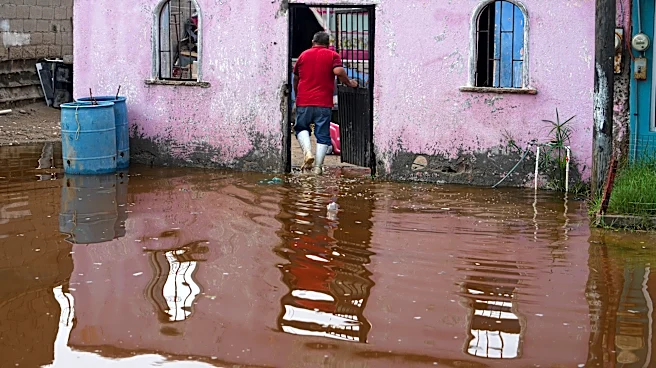
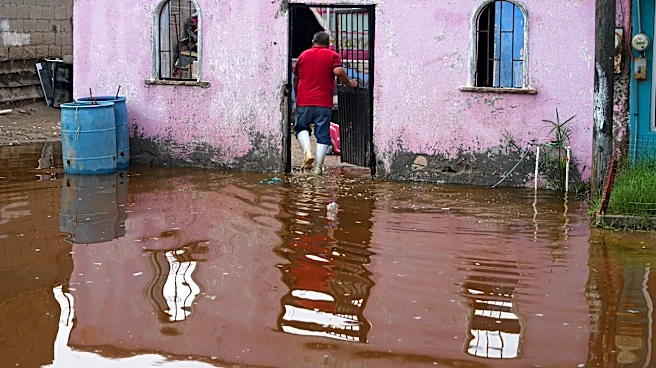
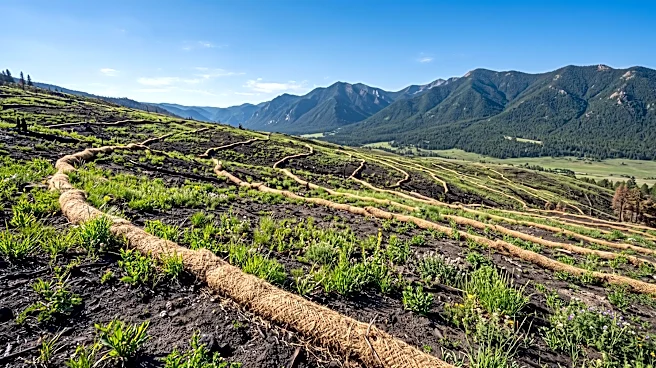
program. This initiative aims to address flood risks in Ouray, Pueblo, and Custer Counties, protecting residents, homes, and infrastructure from post-fire flooding and reducing watershed risks as burn scars heal. Typically, counties are responsible for 25% of these project costs, but with the state's increased contribution, the counties' share will be reduced to 6.25% of the total cost. The fires, which began in late June, burned over 140,000 acres combined. Heavy rainfall in July and August led to repeated flooding and debris flows, resulting in one fatality near the Aspen Acres burn scar and multiple closures of U.S. Highway 440, impacting communities during the peak tourism season. Governor Polis previously declared a disaster emergency for the fires in early August, deploying the Colorado National Guard and securing nearly $20 million in federal Fire Management Assistance Grants.
Why It's Important?
This state intervention is crucial for accelerating recovery and mitigating future disasters in Colorado's wildfire-affected regions. By significantly reducing the financial burden on local counties, the state enables these communities to allocate more resources to other pressing recovery needs. The Emergency Watershed Protection program is vital for preventing secondary disasters like flash floods and mudslides, which are common after large wildfires due to altered landscape hydrology. The fires' impact on infrastructure, such as the repeated closure of U.S. Highway 440, highlights the economic vulnerability of these areas, particularly during tourism season. The state's commitment underscores a proactive approach to disaster management, recognizing the long-term environmental and economic consequences of wildfires. This support helps safeguard public safety, protect property, and ensure the resilience of Colorado's rural communities against the escalating threat of wildfires and their aftermath.
What's Next?
The immediate next steps involve the implementation of the Emergency Watershed Protection projects in Ouray, Pueblo, and Custer Counties. Local authorities will work with the USDA’s Natural Resources Conservation Service to initiate these projects, focusing on flood mitigation and watershed restoration. The reduced financial obligation for counties is expected to streamline the approval and execution of these critical recovery efforts. Continued monitoring of burn scars and weather patterns will be essential to anticipate and respond to further flood risks. The state's ongoing support will likely involve sustained coordination between state, federal, and local agencies to ensure comprehensive recovery. This model of state-level financial assistance could also set a precedent for future disaster recovery efforts in Colorado, particularly as the state continues to face the challenges of a changing climate and increased wildfire activity.
Beyond the Headlines
The state's enhanced support for wildfire recovery reflects a growing recognition of the complex and cascading impacts of climate change on U.S. communities. Beyond the immediate physical damage, wildfires leave behind altered landscapes that are highly susceptible to subsequent natural disasters like flooding and erosion. This initiative highlights the need for integrated disaster management strategies that extend beyond initial fire suppression to long-term ecological restoration and community resilience building. The financial relief provided to counties also touches upon the broader issue of local government capacity to handle large-scale environmental disasters, often straining limited budgets. This approach could foster greater collaboration between different levels of government and encourage innovative solutions for funding and implementing environmental protection measures in vulnerable regions. It also underscores the importance of investing in preventative measures and ecological restoration to reduce the severity of future climate-related events.