
What's Happening?
Saudi Aramco's CEO, Amin Nasser, has warned that the global oil market recovery will be delayed due to the loss of 1 billion barrels of crude oil over the past two months. This loss is attributed to Iran's
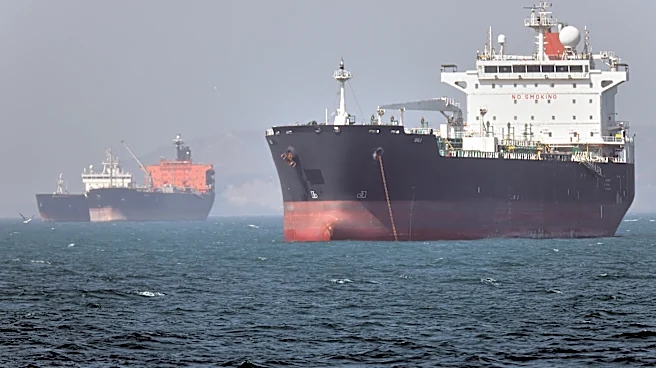
blockade of the Strait of Hormuz, which has significantly reduced global energy supplies and increased shipping costs. Despite Aramco's efforts to mitigate the crisis by using alternative routes like the East-West Pipeline, the market remains strained. Nasser emphasized that even if oil flow resumes, stabilizing the market will take time.
Why It's Important?
The disruption in oil supply has significant implications for global energy markets, affecting prices and availability. The blockade of the Strait of Hormuz, a critical chokepoint for oil transportation, highlights vulnerabilities in global supply chains. This situation underscores the importance of diversifying energy sources and routes to ensure stability. The impact is particularly pronounced in Asia, a major consumer of oil, which could face economic challenges due to increased energy costs. The situation also stresses the need for strategic investments in energy infrastructure to prevent future disruptions.
What's Next?
Efforts to reopen the Strait of Hormuz and normalize oil flow are likely to continue, with diplomatic and possibly military interventions to ensure safe passage. Aramco and other oil producers may increase investments in alternative routes and technologies to bypass chokepoints. Additionally, there may be a push for international cooperation to address the underlying geopolitical tensions contributing to such disruptions. The oil market will closely monitor these developments, as they will influence future pricing and supply stability.