



What's Happening?
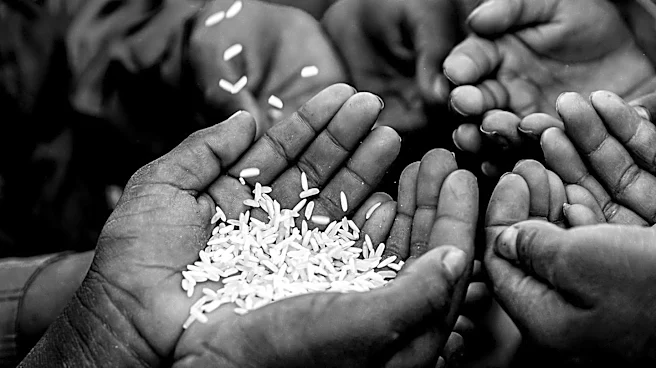
UNICEF has issued a stark warning regarding the escalating crisis of child malnutrition in Afghanistan, projecting that over four million children could require treatment for acute malnutrition by 2027. This dire forecast underscores the severe humanitarian
challenges facing the nation. The crisis extends beyond a mere shortage of medical supplies, deeply rooted in widespread poverty, inadequate dietary intake, lack of access to safe drinking water, and significant distances to healthcare facilities. These interconnected issues collectively threaten the health and survival of mothers and children across Afghanistan. The World Health Organization further estimates that approximately 14.4 million people in the country will need health assistance in 2026, highlighting the broad scope of the health emergency. The situation is exacerbated by unpredictable funding for humanitarian efforts, which often leads to the closure of essential clinics, leaving vulnerable families without critical care. Restrictions on women's education and employment also severely hinder the training and retention of female healthcare professionals, including midwives, nurses, and doctors, further weakening the healthcare system's capacity to respond.
Why It's Important?
The projected surge in child malnutrition in Afghanistan carries profound implications for the country's future and global humanitarian efforts. A generation of children suffering from acute malnutrition faces severe long-term health consequences, including stunted growth, impaired cognitive development, and increased susceptibility to illness, which can perpetuate cycles of poverty and underdevelopment. The crisis also highlights the fragility of healthcare systems in conflict-affected regions and the critical need for sustained, predictable international aid. The inability to provide basic nutrition and healthcare services undermines any prospects for stability and recovery in Afghanistan. Furthermore, the restrictions on women's roles in society, particularly in education and healthcare, not only violate fundamental human rights but also directly impede effective humanitarian responses, as female healthcare workers are often crucial for reaching women and children in conservative communities. This situation underscores the complex interplay between political stability, social policies, and public health outcomes, demonstrating how humanitarian crises are often symptoms of deeper systemic issues.
What's Next?
Addressing the impending malnutrition crisis in Afghanistan will require a multi-faceted and coordinated international response. Immediate actions will likely focus on securing predictable and sustained funding for humanitarian organizations operating on the ground, such as UNICEF and WHO, to ensure the continuous provision of nutrition services, vaccinations, and maternal and child healthcare. Efforts will also need to concentrate on improving access to safe water and sanitation, which are critical in preventing waterborne diseases that exacerbate malnutrition. Long-term strategies must include advocating for the removal of restrictions on women's education and employment to rebuild the healthcare workforce and empower communities. International donors will need to move beyond short-term project funding towards multi-year commitments that allow for more strategic planning and sustainable interventions. Additionally, there will be a need for robust monitoring and evaluation mechanisms to ensure aid effectiveness and accountability, adapting programs to local realities and needs. The international community will face ongoing pressure to balance humanitarian imperatives with political considerations in engaging with the de facto authorities in Afghanistan.
Beyond the Headlines
The crisis in Afghanistan extends beyond immediate humanitarian needs, revealing deeper ethical and systemic challenges in international aid and global governance. The projected malnutrition rates underscore the moral imperative for the international community to protect vulnerable populations, particularly children, in contexts of political instability and conflict. It also brings into sharp focus the ethical dilemmas faced by aid organizations operating under restrictive regimes, where the delivery of essential services can be hampered by political and social constraints. The situation highlights the long-term consequences of geopolitical shifts and the withdrawal of international support, demonstrating how such actions can precipitate severe humanitarian catastrophes. Furthermore, the crisis serves as a stark reminder of the interconnectedness of global health, human rights, and sustainable development, emphasizing that neglecting any one of these pillars can lead to widespread suffering. The ongoing challenges in Afghanistan could also set precedents for how the international community responds to similar crises in other fragile states, influencing future humanitarian policies and aid delivery models.