


What's Happening?
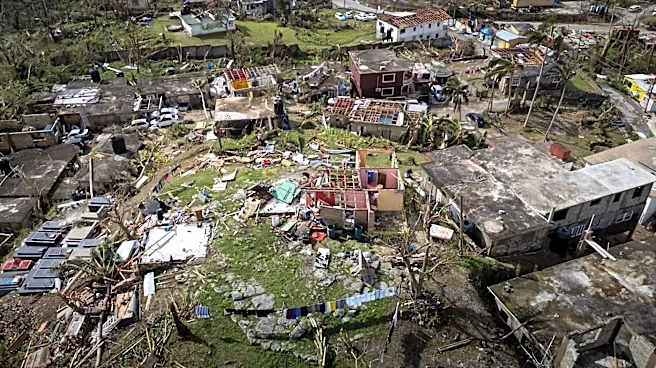
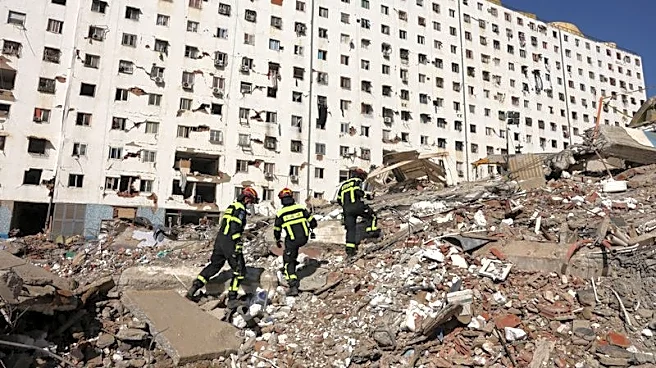
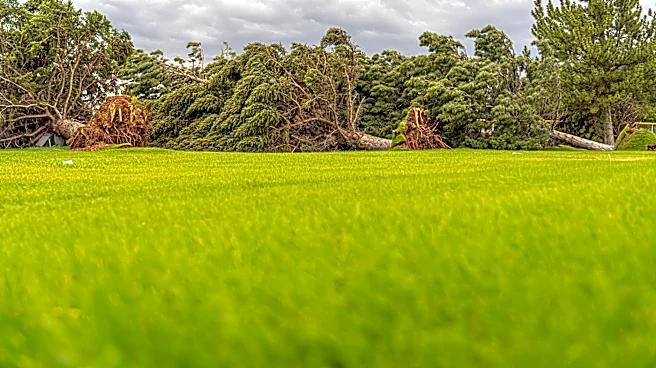
Residents in North Topeka, Kansas, are grappling with significant structural damage following severe storms that swept through the area on Friday night. The storms caused widespread power outages, downed trees, and, most notably, tore roofs off homes.
Hal Gray, a resident of nearly 40 years, reported that his home's roof was completely stripped, rendering the upstairs bedrooms unusable due to sheetrock and water damage. His roof was found scattered in his backyard, with a large section landing yards away. A few houses down, neighbor Scott Casto experienced similar damage, with half of his roof landing down his driveway and insulation covering his property. Despite radio reports disputing whether the event was a tornado, Casto emphasized that the classification made little difference given the loss of his roof.
Why It's Important?
The extensive damage in North Topeka highlights the vulnerability of communities to severe weather events and the immediate challenges residents face in their aftermath. The loss of roofs and structural integrity of homes creates significant housing insecurity and financial burdens for affected families. This incident underscores the importance of robust emergency response systems, community support, and adequate insurance coverage for homeowners. The widespread power outages also disrupt daily life, impacting essential services and communication. For local economies, such events can lead to temporary business closures and a surge in demand for construction and repair services. The emotional and psychological toll on residents who lose their homes or face significant repairs is also a critical aspect of these natural disasters.
What's Next?
In the immediate future, North Topeka residents will focus on assessing the full extent of the damage, securing their properties, and initiating repair processes. Emergency services and utility companies will continue efforts to restore power and clear debris. Homeowners will likely be engaging with insurance providers to file claims and arrange for temporary housing if their homes are uninhabitable. Local government and community organizations may mobilize to provide assistance, resources, and support to affected families. There may also be discussions about improving infrastructure resilience and preparedness for future severe weather events. The long-term recovery will involve extensive rebuilding and financial recovery for many residents.
Beyond the Headlines
Beyond the immediate physical damage, the North Topeka storms reveal deeper issues related to climate resilience and community preparedness in the U.S. The increasing frequency and intensity of severe weather events, potentially linked to climate change, necessitate a reevaluation of building codes, urban planning, and disaster response strategies. The emotional impact on residents, particularly those who have lived in their homes for decades, can be profound, leading to stress and displacement. This event also brings to light disparities in resources and support for communities recovering from disasters, as some residents may lack adequate insurance or financial means for rebuilding. The incident serves as a stark reminder of the ongoing need for comprehensive strategies to protect communities from the growing threats of extreme weather.