



What's Happening?
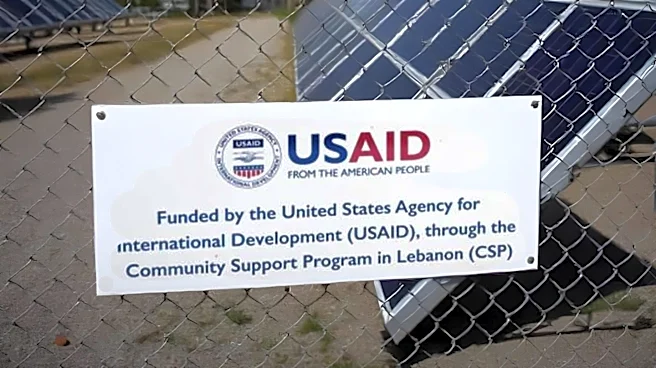
Congressman Brad Sherman (D-CA) emphasized the critical role of the U.S. Agency for International Development (USAID) in combating global diseases such as malaria, Ebola, tuberculosis, and HIV/AIDS. Speaking during a Special Order for USAID in the House
of Representatives, Congressman Sherman underscored that failing to address these diseases internationally could lead to their replication, mutation, and migration, ultimately affecting the United States. His remarks were part of a broader discussion organized by the Alliance for American Leadership, alongside several other Members of Congress, advocating for increased investment in diplomacy and international assistance. The discussion highlighted the humanitarian impact of aid cuts, citing specific cases of children who died due to the discontinuation of USAID-supported programs.
Why It's Important?
Congressman Sherman's statement is important because it frames foreign aid, specifically through USAID, as a vital component of U.S. national security and public health. By linking the fight against infectious diseases abroad to the prevention of their spread within the U.S., he highlights a pragmatic argument for international assistance. This perspective suggests that investing in global health initiatives is not merely a charitable act but a strategic imperative to protect American citizens from potential pandemics and health crises. The discussion also underscores the broader implications of foreign aid cuts, which can destabilize regions, create humanitarian crises, and potentially lead to increased global chaos, as noted by Congressman Suhas Subramanyam. The call for investing two percent of the federal budget in diplomacy and international assistance reflects a belief that such investments yield significant returns in terms of global stability and U.S. security.
What's Next?
The Alliance for American Leadership and the participating Members of Congress are actively campaigning to increase investment in diplomacy and international assistance, aiming for two percent of the federal budget. This initiative will likely involve continued advocacy within Congress, public awareness campaigns, and efforts to build a bipartisan consensus on the importance of USAID's mission. The personal testimonies shared during the Special Order, detailing the human cost of aid cuts, are intended to galvanize support for these programs. Future legislative efforts may focus on securing increased funding for USAID and related international health and development initiatives. The ongoing debate will likely center on balancing domestic priorities with the strategic importance of global engagement and humanitarian aid, particularly in the context of preventing future health and security threats.
Beyond the Headlines
Beyond the immediate policy debate, Congressman Sherman's remarks touch upon the ethical and long-term strategic dimensions of U.S. foreign policy. The argument that diseases 'replicate, mutate, and migrate' if not fought 'over there' highlights the interconnectedness of global health and the shared vulnerability of all nations to infectious threats. This perspective challenges isolationist tendencies and promotes a view of global health security as a collective responsibility. The discussion also implicitly addresses the U.S.'s role as a global leader and the potential vacuum created when it withdraws from international assistance, which adversaries like China or Russia might fill. This raises questions about the U.S.'s moral standing and its long-term influence on the international stage, suggesting that humanitarian aid is not just about saving lives but also about maintaining geopolitical relevance and fostering trust among allies.