







What's Happening?
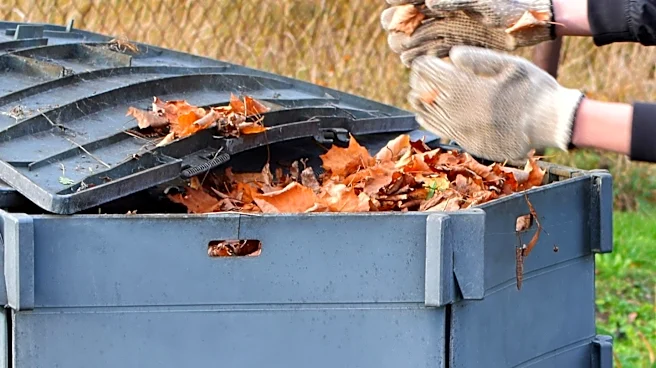
Lubbock, Texas, is promoting home composting as an effective method for residents to manage food scraps and yard waste, reducing landfill contributions. The City of Lubbock, referencing insights from Take Care of Texas, highlights that composting is simpler
than many believe, often involving just tossing food scraps into a designated container or pile. Various methods are available, including traditional bins and piles, tumblers for aeration, and vermicomposting, which uses worms to break down organic material. Recommended compostable items include fruits, vegetables, eggshells, coffee grounds, and grass clippings. However, residents are advised to avoid composting meat, oil, dairy products, bones, pet feces, weeds, metals, plastics, and glass to prevent odors, pests, and the spread of diseases.
Why It's Important?
The promotion of home composting in Lubbock carries significant environmental and economic benefits for the community. By diverting organic waste from landfills, the city can reduce methane emissions, a potent greenhouse gas contributing to climate change. This initiative also lessens the burden on waste management systems and potentially extends the lifespan of local landfills. Economically, composting can save residents money by reducing the need for commercial fertilizers for gardens and lawns, as the compost provides nutrient-rich soil. Furthermore, it fosters a more sustainable local ecosystem by returning valuable nutrients to the soil, enhancing soil health, and supporting local gardening and agriculture. This effort aligns with broader national goals for waste reduction and environmental sustainability.
What's Next?
Lubbock residents are encouraged to choose a composting method that suits their needs, whether it's a simple pile, a tumbler, or vermicomposting. The city's continued endorsement and educational resources, such as those from Take Care of Texas, will likely support increased adoption of home composting. Future steps could involve community workshops, distribution of composting guides, or even potential incentives for residents who actively compost. The success of these efforts will depend on public engagement and adherence to composting guidelines to ensure effective waste breakdown and prevent issues like pest attraction. Continued education on what can and cannot be composted will be crucial for the program's long-term viability and positive impact.
Beyond the Headlines
Lubbock's emphasis on home composting reflects a growing national awareness of the environmental impact of food waste and the potential for localized solutions. Beyond the immediate benefits of waste reduction and soil enrichment, this initiative encourages a deeper connection between residents and their environment. It promotes a 'reduce, reuse, recycle' mindset at a household level, fostering self-sufficiency and ecological literacy. The practice of composting can also serve as a tangible way for individuals to contribute to climate action, transforming what was once considered waste into a valuable resource. This shift in perspective from 'waste disposal' to 'resource recovery' is a fundamental aspect of building more resilient and sustainable communities across the U.S.