






What's Happening?
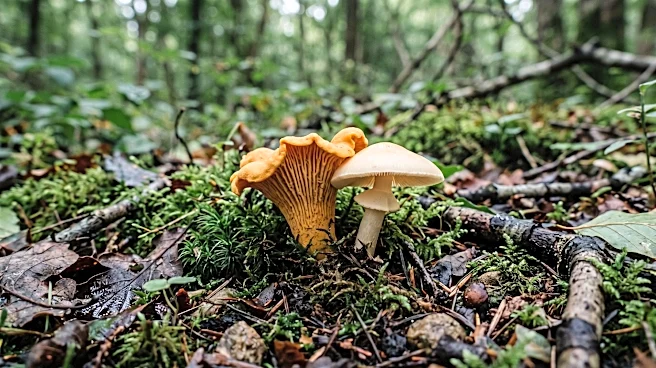
Fungi are receiving increased recognition in global biodiversity policy, with significant developments leading up to the UN Biodiversity Conference (COP17) in Yerevan, Armenia. The Fungal Conservation Pledge, co-launched by Chile and the United Kingdom
in 2024, has garnered support from 17 countries. This pledge advocates for the recognition of fungi as an independent kingdom of life in national and international legislation, policies, and agreements. Recommendations from two UN biodiversity scientific advisory meetings have also incorporated fungi across four policy areas, integrating them into the discussions for COP17. This momentum aims to address the historical omission of fungi from conservation frameworks, despite their critical roles in ecosystem functioning, nutrient cycling, and their biomass being estimated at six times greater than all animals combined. The Cambridge Dictionary has also added 'funga' as a recognized English word, reflecting growing public and scientific interest.
Why It's Important?
The increased recognition of fungi in global biodiversity policy is crucial for strengthening conservation efforts and achieving the goals of the Kunming–Montreal Global Biodiversity Framework, which aims to halt and reverse biodiversity loss by 2030. Fungi play essential roles in soil biodiversity, sustainable wildlife management, and ecosystem functions, including nutrient cycling and carbon-related processes. Their historical exclusion from conservation planning has led to a significant gap in protecting these vital organisms. By integrating fungi into policy, there is potential for dedicated research, funding, and protection, which can lead to more comprehensive and effective conservation strategies. This shift can also impact U.S. environmental policy and research by setting international precedents and encouraging similar domestic initiatives to include fungi in biodiversity assessments and conservation programs.
What's Next?
The immediate goal is to translate the recommendations from the scientific advisory meetings into actionable decisions during the COP17 negotiations. The Fungi Foundation is advocating for the inclusion of fungal biodiversity in decisions across five key areas of the Convention’s work, including recognizing fungi as critical components of soil biodiversity, integral to sustainable wildlife management, and important for strengthening protected areas and climate change synergies. The Global Strategy for Fungal Conservation (GSFC), set to launch at COP17, will provide a framework for countries to integrate fungi into nature recovery, sustainable agriculture, and climate adaptation efforts. This strategy outlines priorities for filling knowledge gaps, protecting habitats, strengthening collaboration, and integrating fungal conservation into policy at all levels. Success at COP17 could lead to a global paradigm shift in how biodiversity is understood and protected.
Beyond the Headlines
The growing movement to recognize fungi alongside flora and fauna, as seen in the 'Fauna, Flora & Funga Proposal (3F),' signifies a deeper understanding of ecological interconnectedness. This change in terminology and policy reflects a more holistic approach to environmental conservation, acknowledging the often-overlooked contributions of fungi to planetary health. Beyond policy, this recognition can foster public awareness and education about the importance of fungi, potentially inspiring new scientific discoveries and biotechnological applications. The inclusion of 'funga' in mainstream language, such as the Cambridge Dictionary, indicates a cultural shift towards appreciating these organisms. This broader recognition could also lead to ethical considerations regarding the sustainable harvesting and protection of fungal resources, impacting industries from medicine to food production.