








What's Happening?
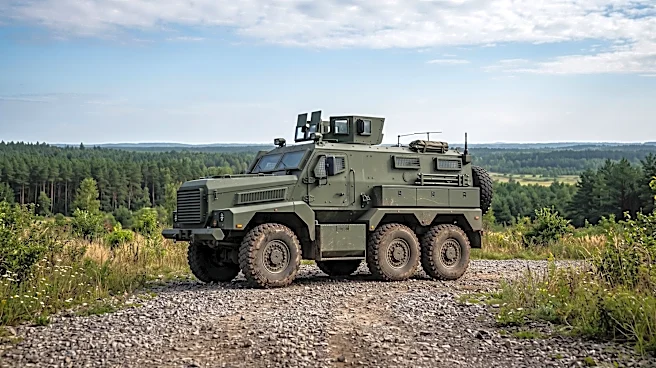
Poland's 4th Warmian-Masurian Territorial Defence Brigade is undergoing a reorganization to become the Warmian-Masurian Border Defence Brigade by the end of 2026. This transformation will assign the unit new responsibilities focused on defending the border
with Russia’s Kaliningrad Oblast. The reorganization is part of a broader initiative by Poland’s Territorial Defence Forces to establish a Border Defence Component, which will include four strategically located brigades: Podlaskie, Warmian-Masurian, Nadbużańska, and Przemyśl. These units will also manage the infrastructure of the Eastern Shield program. Colonel Cezary Kiszkowiak, the brigade commander, stated that the new tasks involve monitoring the border area and maintaining readiness to support Poland’s Border Guard, eventually taking over border defense responsibilities. He clarified that this is about defense, not border protection, and the unit will not replace the Border Guard. The brigade is expected to achieve full readiness within the next two years.
Why It's Important?
This military reorganization by Poland carries significant implications for regional security and NATO's eastern flank. The focus on defending the border with Kaliningrad Oblast, a Russian enclave, underscores heightened geopolitical tensions in Eastern Europe. The move signals Poland's proactive approach to strengthening its defensive capabilities against potential threats from Russia. For the U.S. and its NATO allies, this development reinforces the importance of collective defense and deterrence in the region. The establishment of a dedicated Border Defence Component and the management of the Eastern Shield program infrastructure indicate a long-term strategic commitment to securing the alliance's borders. This could lead to increased military cooperation and exercises between Poland and other NATO members, potentially influencing defense spending and strategic deployments in the area. The emphasis on defense rather than border protection suggests a preparation for more significant military contingencies, impacting regional stability and international relations.
What's Next?
The reorganization of the Warmian-Masurian Territorial Defence Brigade is slated for completion by the end of 2026, with the brigade reaching full operational readiness within the subsequent two years. This timeline suggests a phased implementation of enhanced border defense capabilities. Following the reorganization, there will likely be increased training and integration exercises between the newly formed Border Defence Component and Poland's Border Guard, as well as with other NATO forces. The management of the Eastern Shield program infrastructure by these brigades indicates ongoing investment in defensive fortifications and surveillance technologies along the border. International observers and neighboring countries will closely monitor the deployment and activities of these units, particularly given the strategic location of Kaliningrad Oblast near the Suwałki Corridor. This development could also prompt further discussions within NATO regarding resource allocation and strategic planning for the defense of its eastern members.
Beyond the Headlines
The reorganization of Poland's border defense brigades reflects a deeper shift in European security paradigms, moving towards a more robust and localized defense posture in response to perceived Russian aggression. This initiative highlights the ongoing militarization of border regions and the increasing reliance on territorial defense forces to supplement conventional military capabilities. Ethically, it raises questions about the long-term implications of sustained military readiness in border communities and the potential for increased tensions. Legally, it reinforces the principle of national sovereignty and the right to self-defense, while also operating within the framework of international alliances like NATO. Culturally, it may foster a stronger sense of national security awareness and civic duty among Polish citizens, particularly those residing in border areas. This development could also influence defense doctrines across other Eastern European nations, leading to a broader regional re-evaluation of defense strategies and military investments.