



What's Happening?
Investigators are examining the circumstances surrounding a deadly plane collision at LaGuardia Airport on March 22. The National Transportation Safety Board (NTSB) is focusing on air traffic control procedures and staffing issues. According to a report
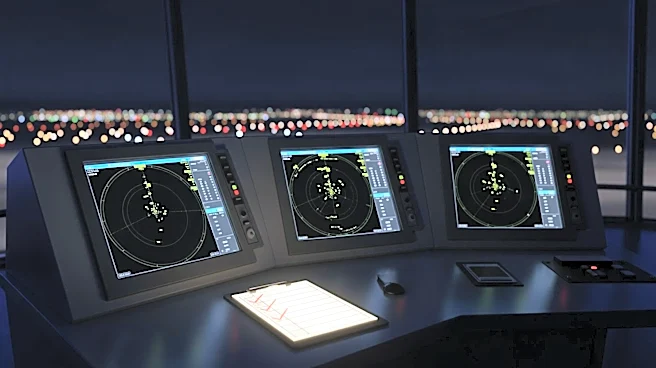
from 1997, controllers may have violated long-standing procedures. On the night of the collision, two controllers were present in the tower, managing multiple issues. The NTSB is investigating whether the same controller gave permission for both the plane to land and a fire truck to cross the runway. Aviation experts note that typically, one controller manages ground traffic while another handles arrivals and departures. Audio recordings suggest the same voice cleared both the aircraft and vehicles, according to Michael McCormick, former VP of the FAA. A similar crash in 1997 led to a directive that positions at the LaGuardia control tower should not be combined before midnight. The recent crash occurred at 11:37 p.m. Additionally, the controllers were dealing with a separate issue involving smoke and odor in another plane's cabin, which the fire truck was attempting to address when the collision happened.
Why It's Important?
The investigation into the LaGuardia collision highlights critical concerns about air traffic control procedures and safety protocols at major airports. If procedural violations are confirmed, it could lead to significant changes in how air traffic is managed, potentially affecting airport operations nationwide. The incident underscores the importance of adhering to established safety guidelines to prevent accidents. The findings could impact the Port Authority and FAA policies, leading to stricter enforcement of air traffic control protocols. This situation also raises questions about the adequacy of current staffing and training for air traffic controllers, which could influence future hiring and training practices. The broader implications for aviation safety are significant, as they may prompt reviews and updates to safety standards across the industry.
What's Next?
The NTSB will continue its investigation, focusing on the actions of the air traffic controllers and the equipment used by the Port Authority. The findings could lead to recommendations for procedural changes or equipment upgrades, such as ensuring all vehicles on the runway are equipped with transponders to trigger warning systems. Stakeholders, including the FAA and Port Authority, may face pressure to implement changes to prevent future incidents. The aviation industry will be closely monitoring the investigation's outcome, which could influence policy and operational standards at airports across the country.