







What's Happening?
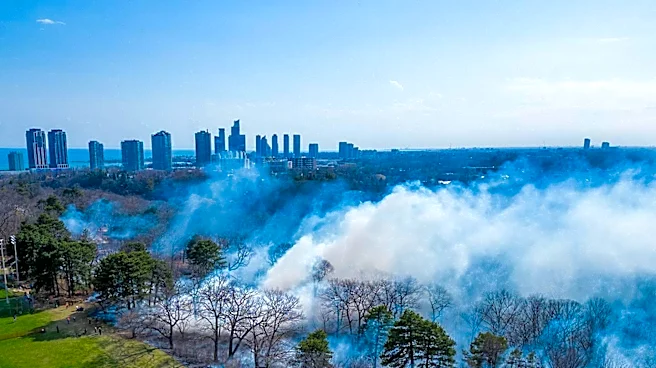
A new report from Stanford's Climate and Energy Policy Program (CEPP) reveals that despite a recent decrease in acres burned in California in 2025, the financial impact of wildfires continues to surge. Wildfire-related costs passed on from utilities to ratepayers
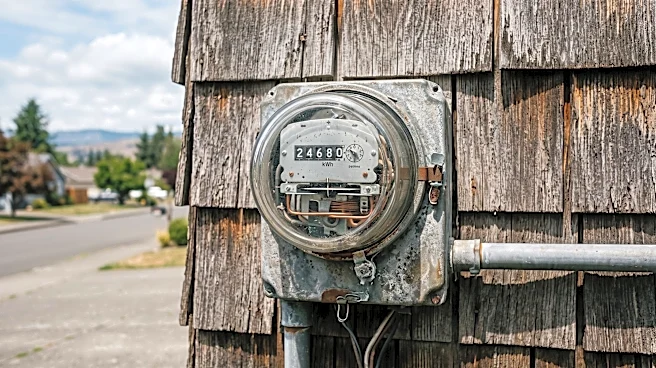
escalated from $488 million in 2019 to nearly $9 billion in 2024. This has led to significant increases in residential electric bills, with Pacific Gas and Electric customers seeing a 66% rise, Southern California Edison customers an 88% increase, and San Diego Gas & Electric customers a 46% jump between 2020 and 2026, far outpacing the 26% consumer price inflation. Homeowners insurance premiums also rose by 84% over the same period, with the state's insurer of last resort, the FAIR Plan, now covering approximately 5% of single-family homes, representing over $750 billion in property value. The report emphasizes that while the total acreage burned decreased, the number of structures destroyed increased tenfold in 2025, largely due to fires in densely populated areas like Los Angeles.
Why It's Important?
The escalating costs associated with wildfires in California have profound implications for residents, utilities, and the state's economy. The substantial increases in electric bills and insurance premiums directly impact household budgets, reducing disposable income and potentially exacerbating financial strain for many. The growing reliance on the FAIR Plan indicates a shrinking private insurance market in high-risk areas, which could lead to a less competitive and more expensive insurance landscape. For utilities, the immense spending on wildfire risk reduction, which dwarfs investments in landscape resilience and home hardening, suggests an imbalance in current prevention strategies. This situation highlights a critical need for policymakers to prioritize proactive measures like prescribed burns and home hardening, as these are identified as more effective in mitigating the severity and impact of wildfires, ultimately reducing long-term costs and protecting communities.
What's Next?
The report's release comes as California anticipates the inauguration of a new governor and the federal government reorganizes its wildland fire workforce, signaling a potential shift in policy focus. While some legislative progress has been made, such as the creation of a home-hardening loan program and extended prescribed fire liability protections, significant challenges remain. A proposal to overhaul utility wildfire liability failed, and long-term funding for scaling landscape and community investments is still undecided. The report advocates for a comprehensive plan to target and scale risk reduction efforts, which could yield substantial benefits for community safety, housing affordability, and California's broader economic well-being. Future actions will likely involve continued efforts to secure funding for proactive wildfire management and a reevaluation of utility liability frameworks to incentivize more effective prevention strategies.
Beyond the Headlines
The Stanford report underscores a deeper societal challenge: the tendency for memories of natural disasters and the urgency for prevention to fade quickly during 'quiet years.' This human element often leads to underinvestment in long-term, proactive solutions. The tenfold increase in structures destroyed in 2025, despite fewer acres burned, highlights a critical shift in wildfire impact towards urban-wildland interfaces, raising complex questions about urban planning, development in high-risk zones, and the equitable distribution of wildfire costs. The report implicitly calls for a cultural shift towards sustained investment in resilience, moving beyond reactive measures to embrace a more integrated approach that considers the interconnectedness of environmental health, economic stability, and community well-being. The ethical dimension of who bears the financial burden of wildfire risk, particularly for those in vulnerable communities, also comes to the forefront.