






What's Happening?
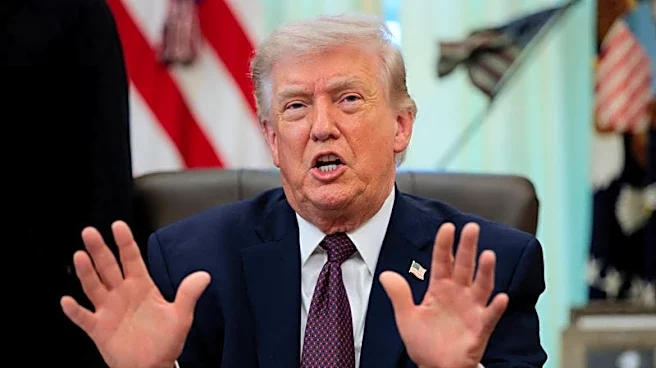
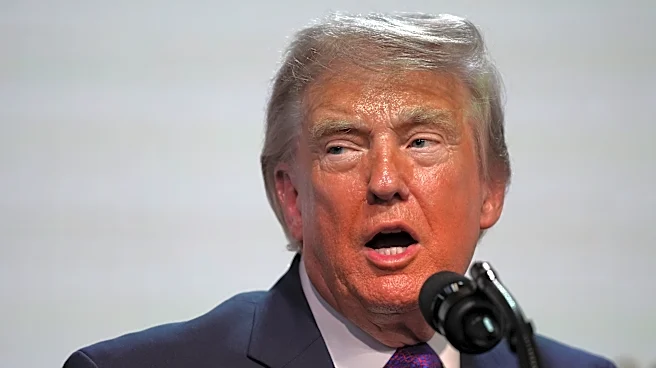
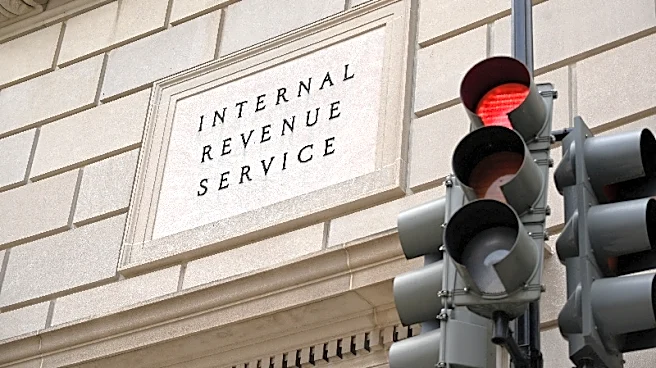
The Department of Justice (DOJ) has announced a significant decision regarding the Internal Revenue Service (IRS) and its auditing practices concerning President Trump, his family, and his business. According to the DOJ, the IRS is now 'forever barred'
from auditing President Trump and his family, as well as pursuing any past claims against them. This decision marks a notable shift in the oversight and regulatory practices typically applied to high-profile individuals and businesses. The announcement was made during a broadcast of ABC World News Tonight with David Muir, highlighting the ongoing legal and political discourse surrounding President Trump's financial dealings and the scrutiny they have attracted over the years.
Why It's Important?
This decision by the DOJ could have far-reaching implications for the oversight of financial activities of high-profile individuals in the United States. By barring the IRS from auditing President Trump and his family, the DOJ effectively limits the transparency and accountability mechanisms that are usually in place for public figures. This move may set a precedent for how similar cases are handled in the future, potentially affecting public trust in the fairness and impartiality of tax enforcement. Critics may argue that this decision undermines the principle of equal treatment under the law, while supporters might view it as a necessary step to protect against perceived political bias in auditing practices.
What's Next?
The DOJ's decision is likely to spark debate among lawmakers, legal experts, and the public. Congressional leaders may seek to challenge or review the decision, potentially leading to legislative or judicial actions aimed at restoring auditing capabilities. Additionally, this development could influence upcoming elections, as candidates and political parties may use it to galvanize support or opposition. The broader implications for tax policy and enforcement practices will likely be scrutinized, with potential calls for reforms to ensure equitable treatment of all taxpayers, regardless of their status or influence.