






What's Happening?
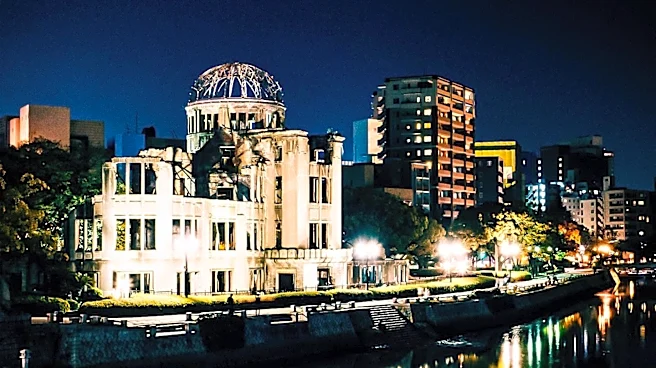
Japan formally surrendered on September 2, 1945, officially ending World War II, several weeks after the U.S. dropped atomic bombs on Hiroshima and Nagasaki. Despite the end of fighting in Europe four months prior, Japan initially showed reluctance to admit
defeat. The atomic bombings shocked Japan's leadership, making it clear they could not withstand an invasion. While Japan's leadership acknowledged defeat, fiercely nationalist politicians and military leaders resisted unconditional surrender. Internal debates focused on demanding specific conditions, such as retaining control over war crimes trials, disarming without Western interference, and preventing Allied occupation. Ultimately, Emperor Hirohito agreed to surrender with only one demand: that he remain in power. The Allies did not explicitly grant this, stating that a Japanese leader would remain without specifying who. Emperor Hirohito then capitulated. The night before his pre-recorded surrender announcement was broadcast, Japanese soldiers attempted a coup to steal the recording and assassinate political leaders involved in the surrender, but the coup failed. On August 15, the Japanese public heard the news, and on September 2, representatives signed the "Instruments of Surrender" on the USS Missouri, formally concluding the war.
Why It's Important?
The formal surrender of Japan on September 2, 1945, was a pivotal moment that brought an end to the most destructive war in history, profoundly shaping the post-war global order. The complex internal struggles within Japan's leadership, including the failed coup attempt, highlight the deep divisions and resistance to surrender even after the devastating atomic bombings. This period underscores the immense pressure on Japan and the strategic calculations made by the Allied powers regarding the terms of surrender. The decision to allow Emperor Hirohito to remain, albeit without explicit guarantees, was a critical factor in securing the surrender and preventing further bloodshed, while also laying the groundwork for Japan's post-war reconstruction and its eventual alliance with the United States. The formal signing on the USS Missouri symbolized the definitive end of hostilities and the beginning of a new era of international relations, with significant implications for global security, economic development, and the balance of power.
What's Next?
The formal end of World War II initiated the Allied occupation of Japan, led by Douglas MacArthur, which would profoundly reshape Japanese society, politics, and economy. The terms of surrender, including the non-specific agreement regarding the Emperor's future, set the stage for a period of significant reform and demilitarization. The legacy of the atomic bombings and the surrender continues to influence Japan's pacifist constitution and its role in international affairs. Discussions surrounding the historical context of the war's end, including the use of atomic weapons and the internal Japanese political dynamics, remain relevant in contemporary geopolitical discourse. The events of 1945 continue to be commemorated, particularly in the U.S. as Victory over Japan Day, serving as a historical touchstone for understanding the origins of the modern international system and the enduring impact of major global conflicts.
Beyond the Headlines
The narrative of Japan's surrender reveals the profound psychological and cultural dimensions of warfare, particularly the clash between national honor and the grim reality of defeat. The internal debate among Japanese leaders, including the military's resistance to surrender and the Emperor's eventual decision, illustrates the immense burden of leadership during existential crises. The failed coup attempt underscores the fragility of political stability even in the face of overwhelming external pressure and the deep-seated ideological conflicts within the nation. The Allied decision regarding Emperor Hirohito's status, a pragmatic move to facilitate surrender, also highlights the complexities of post-conflict reconciliation and the balancing act between punitive justice and strategic stability. This historical episode offers insights into the enduring power of national identity, the role of symbolic figures in times of crisis, and the intricate processes through which wars are not just fought but also formally concluded, leaving lasting imprints on national memory and international relations.