








What's Happening?
The Kansas City, Kansas Public Schools (KCKPS) serves as the lead financial agency for the Wyandotte County Infant Toddler Program (WYCO ITS). This program provides special education services for eligible children from birth through 36 months and their
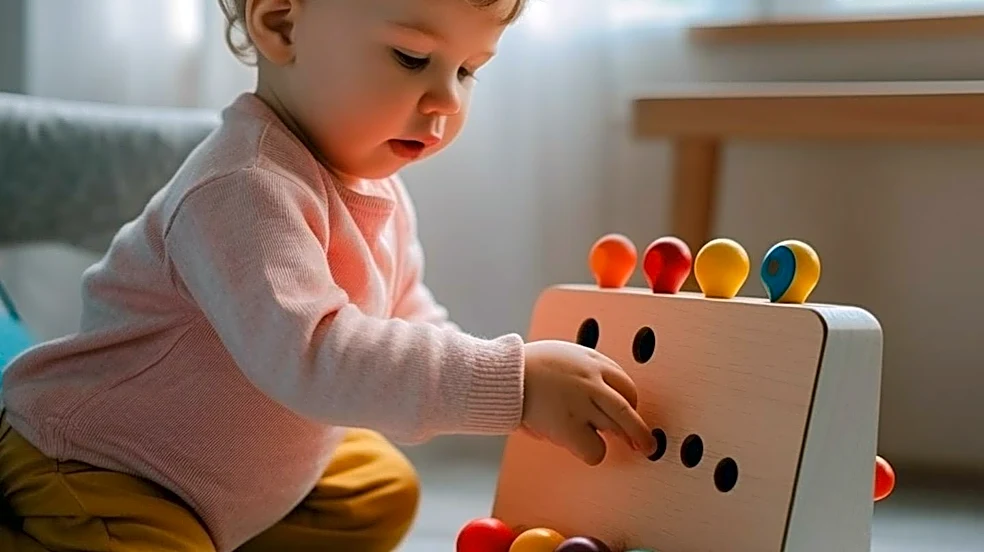
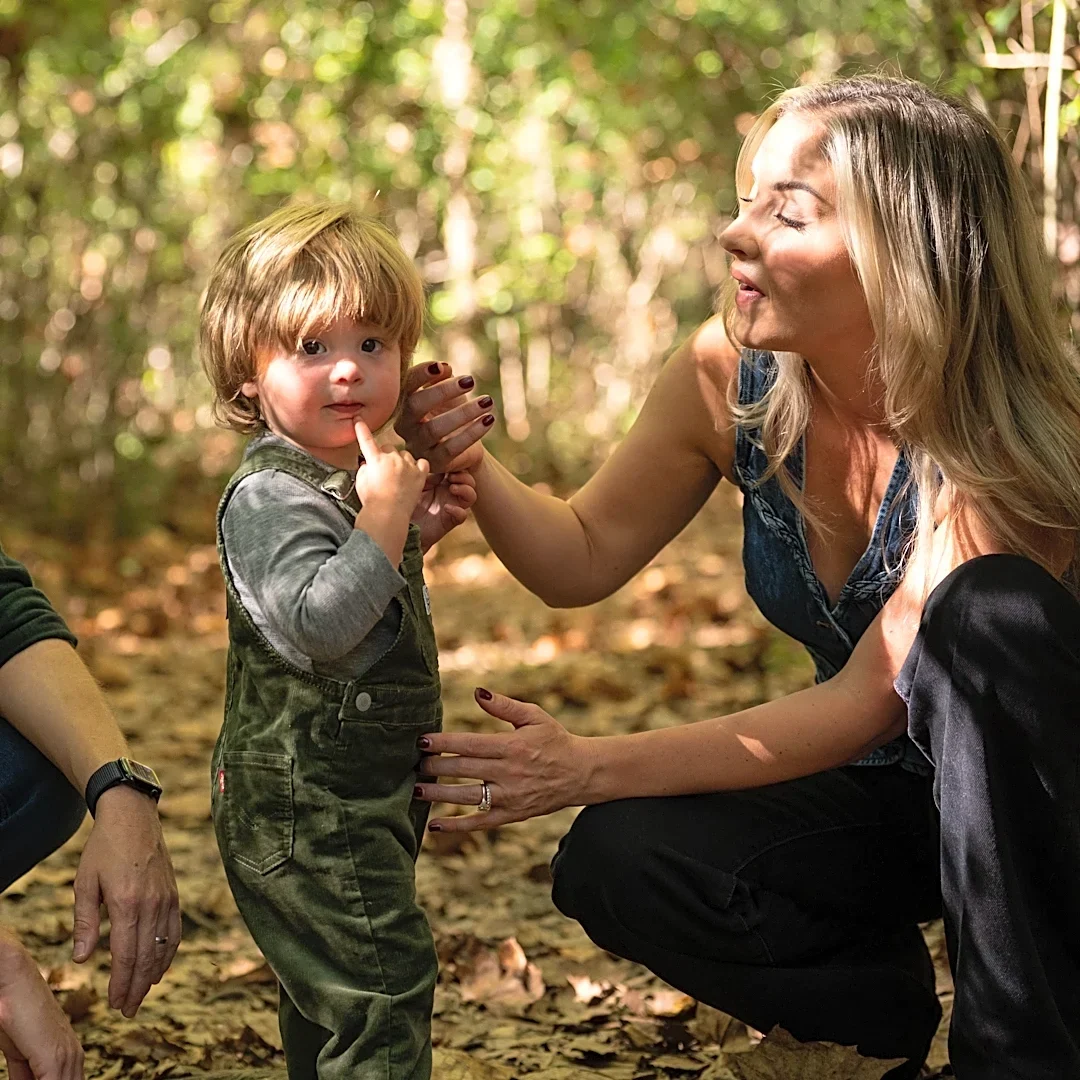
families, as mandated by Part C of the Individuals with Disabilities Education Act (IDEA). Eligibility is determined by a multi-disciplinary evaluation showing a 25% delay in one developmental area, a 20% delay in two or more areas, or a diagnosed medical condition likely to cause such delays. Approximately 600 children and their families in Wyandotte County, including those in the Turner, Bonner Springs, Edwardsville, and Piper school districts, receive these services annually. Services, which include developmental intervention, speech-language services, occupational therapy, physical therapy, social work, and vision/hearing services, are provided at no cost to families. The program emphasizes serving children in their natural environments, such as the family home or childcare setting, and during the pandemic, services are delivered via tele-health intervention. An Individualized Family Service Plan (IFSP) is developed with each family, and a Family Service Coordinator (FSC) monitors the IFSP process and connects families to necessary resources.
Why It's Important?
This program is crucial for early intervention in the development of children with disabilities in Wyandotte County. By providing comprehensive services from birth to age three, it aims to mitigate developmental delays and improve long-term outcomes for these children. The focus on natural environments ensures that interventions are integrated into the child's daily life, promoting more effective and sustainable progress. The involvement of families as collaborative partners in designing strategies and interventions empowers them to support their child's growth, fostering a stronger family unit and better developmental trajectories. Furthermore, the provision of services at no cost removes financial barriers, ensuring equitable access to critical support for all eligible families, regardless of their socioeconomic status. This early support can significantly reduce the need for more intensive and costly interventions later in a child's life, benefiting both the children and the broader public health and education systems.
What's Next?
The Wyandotte County Infant Toddler Program will continue to provide and adapt its services to meet the needs of eligible children and families. The IFSP for each child is reviewed every six months and continues until the child turns three or is no longer eligible. Referrals can be made by anyone, including healthcare providers, community agencies, and family members, by calling 913.627.5500 or using an online referral form. A staff member contacts the family within two working days to schedule an intake call and evaluation. The program will likely continue to monitor and adjust its service delivery methods, such as the ongoing use of tele-health, based on public health guidelines and best practices. The emphasis on family involvement and natural environments will remain a core component, ensuring that services are tailored and integrated into the child's daily life. The program will also continue its role in connecting families to other necessary resources, highlighting its comprehensive approach to early childhood support.
Beyond the Headlines
The Wyandotte County Infant Toddler Program exemplifies a broader commitment to inclusive education and early childhood development within the U.S. educational system. By adhering to federal mandates like IDEA, it underscores the legal and ethical imperative to provide equitable opportunities for children with disabilities from the earliest stages of life. The program's model, which prioritizes natural environments and family collaboration, reflects a growing understanding in developmental psychology that a child's primary caregivers and familiar surroundings are critical to their learning and development. This approach not only supports the child's immediate needs but also builds the capacity of families to advocate for and support their children long-term. The program's success can serve as a model for other communities seeking to implement effective, family-centered early intervention services, contributing to a more inclusive society where all children have the opportunity to thrive.