


What's Happening?
Joshua Nass, a lobbyist known for securing a pardon from President Trump for a client, has been charged with attempted extortion. Federal prosecutors allege that Nass attempted to extort a former client and his son to recover $500,000 in unpaid fees.
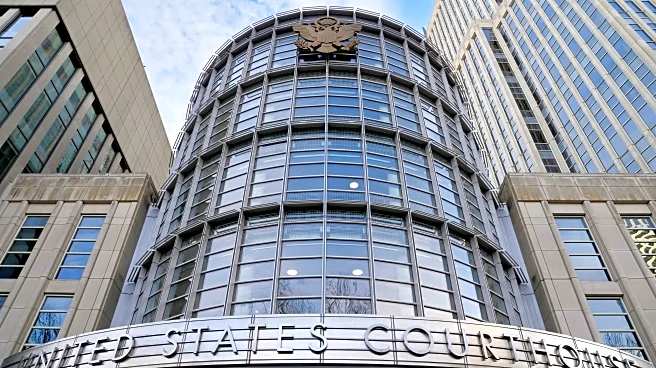
According to court filings, Nass was arrested in New York and released on a $5 million bond. The FBI affidavit details that Nass contacted an informant to threaten and potentially harm the former client's son to collect the debt. Nass allegedly offered $15,000 for the assault and an additional $5,000 for extra assistance. The case highlights Nass's previous involvement in lobbying for clemency for Joseph Schwartz, a former nursing home executive pardoned by Trump.
Why It's Important?
This case underscores the potential legal and ethical issues surrounding lobbying and the use of political influence for personal gain. Nass's arrest and the charges against him could have broader implications for the lobbying industry, particularly regarding transparency and accountability. The involvement of a lobbyist with ties to a presidential pardon raises questions about the integrity of the pardon process and the potential for abuse of power. The outcome of this case could lead to increased scrutiny of lobbying practices and calls for reform to prevent similar incidents in the future.
What's Next?
As the legal proceedings continue, Nass faces up to 20 years in prison if convicted. The case will likely draw attention from political and legal communities, potentially influencing future regulations on lobbying activities. Stakeholders, including lawmakers and advocacy groups, may push for stricter oversight and reforms to ensure ethical conduct in lobbying. The case may also prompt discussions about the criteria and processes for granting presidential pardons, aiming to prevent misuse of this executive power.